2026.08.13
ほとりではご宿泊のゲストのリクエストに基づきオーダーメイドの“パーソナルコンシェルジュサービス”の提供を始めました。ご希望の観光地を御案内することは勿論、お買い物の同行やプランニングもします。限られた京都滞在の時間を有効に、そして楽しく思い出深いものとなるようにお手伝いします。
初のゲストはアメリカからのファミリー。京都には3回目の京都上級者。メインの観光場所には既に個人的にあちこち行かれていますが「興味はあったけど行った事のない伏見に連れて行って欲しい。」とオーダーいただきました。興味があるのは、酒・豆腐・寺田屋・その他の寺社仏閣。それらのキーワードを元にパーソナルコンシェルジュがプランを立てました。
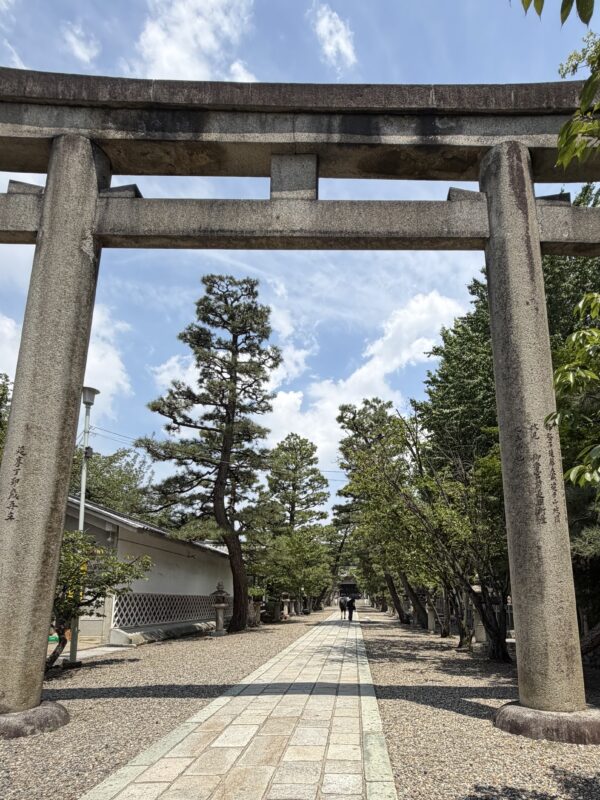

当日はほとりを11時前に出発。伏見桃山駅に着くと、先ずは御香宮神社に向かいました。神社でのマナーや知識を話しながら参道を進みます。
安産の御利益がある御香宮神社。参道を進んで一番に目につく拝殿はとてもカラフルで豪華絢爛、正直驚きました。他の神社とは異なる趣です。寛永2年(1625)、徳川頼宣(紀州徳川家初代藩主)の寄進による拝殿であり、平成9年6月に半解体修理が竣工し極彩色が復元されたとのこと。なるほど納得です。7月末でしたが、丁度夏越の祓の茅の和が本殿前にあり、とてもありがたく半年間の邪気を払ったのでした。巫女さん宮司さん達が汗をかきつつまた別の茅の輪を作っておられる様子も見る事ができありがたい気持ちで、神社を後にしました。
大手筋商店街はアーケードがありますので、真夏日のこの日も快適に歩けました。アーケードを通り抜けて、ランチを予約したレストランへと向かいました。
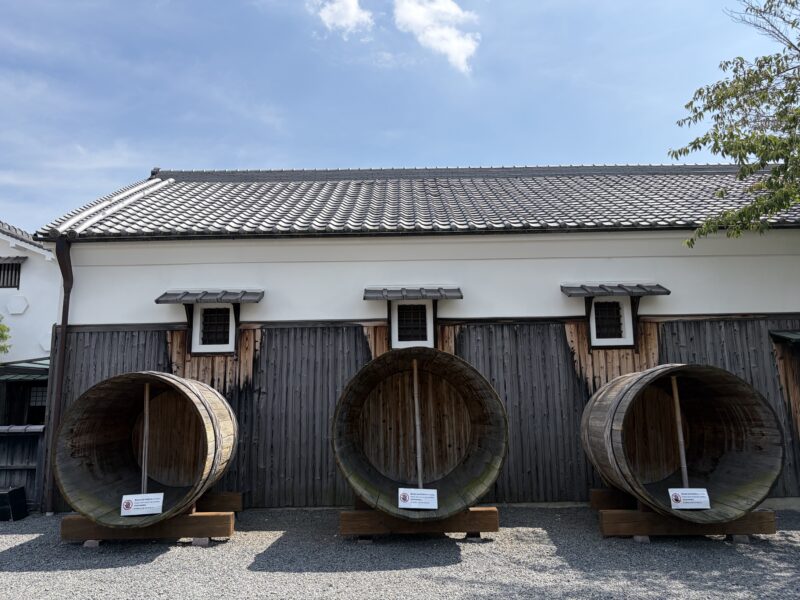
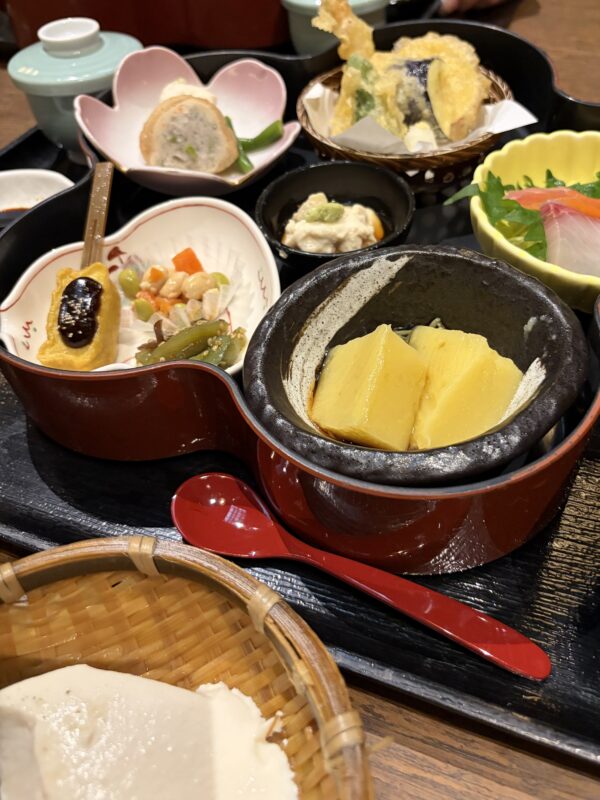
月の蔵人は、月桂冠によって大正2年(1913年)に建築された酒蔵を改装したレストランで、外観は酒蔵ですが、中に入ると天井の高い大きな、そして清潔でとても快適なレストラン。席が木の枠で囲われてるので、小さなお子様連れでも安心してゆっくりと食事ができます。定食、一品料理、お子様向けメニューもあり、ホームメイドのざる豆腐がとても美味しいです。作りたてでまだ少し温かみの残るざる豆腐は絶品。ヴィ―ガンのゲストにもとてもご満足いただけました。
美味しいご飯をいただきながら、ゲストと日本の伝統について、価値観、子どもの教育などなど沢山お話をしました。国は違っても、みんな同じ人間だねと笑ってお話しできた時間は、パーソナルコンシェルジュにとって宝物の様なひと時でした。
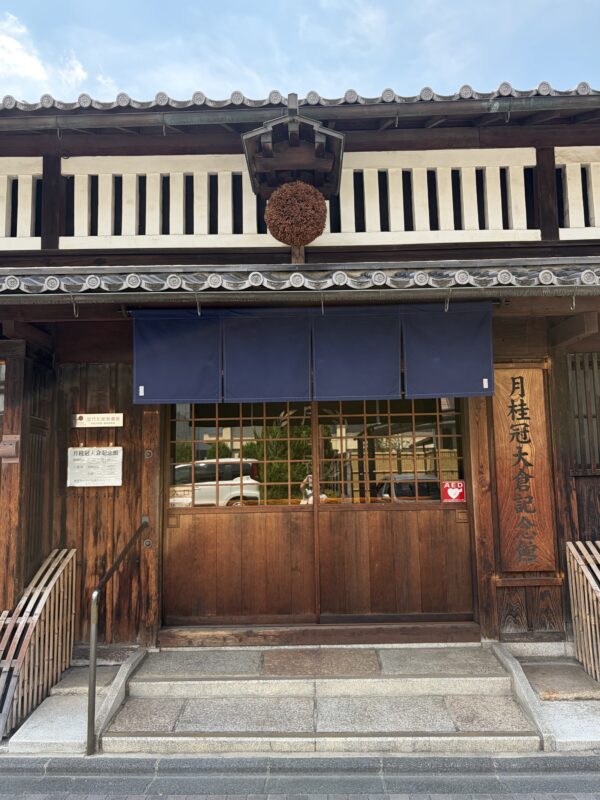

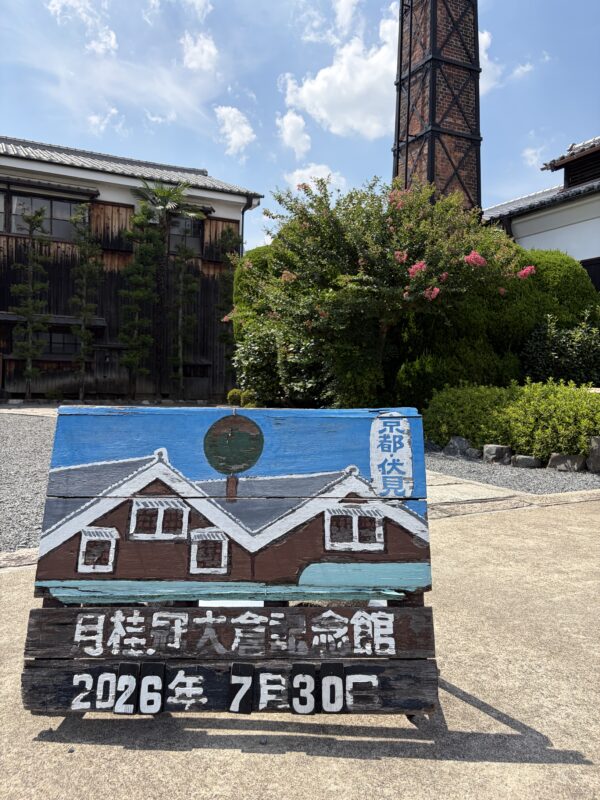
食後は月桂冠大倉記念館へ。入館は時間ごとに区切られている為、繁忙期は予約していった方が良さそうです。入場時にプラスチック製の小さな酒升とコインを3枚もらいました。最後のお酒の試飲に使うのです。
先ずはお酒作りのプロセスを映像で見ます。酒造りは機械化が進んでいますが人の手作業や感覚がとても大切だということがよくわかりました。研究所もあり、とてもハイレベルな品質管理の元、美味しいお酒作りをされていて、お酒をひと口飲むのでも、その事を思い出して感謝の気持ちで飲もうと思ったのでした。


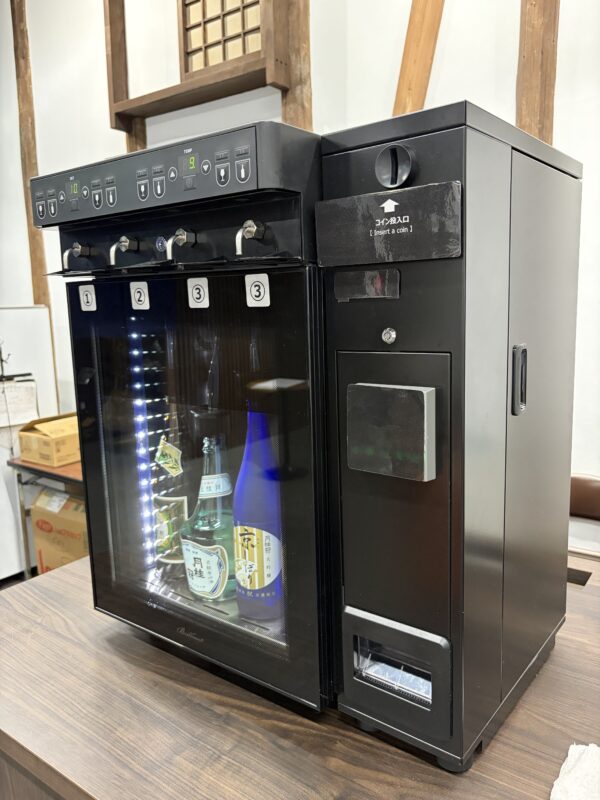
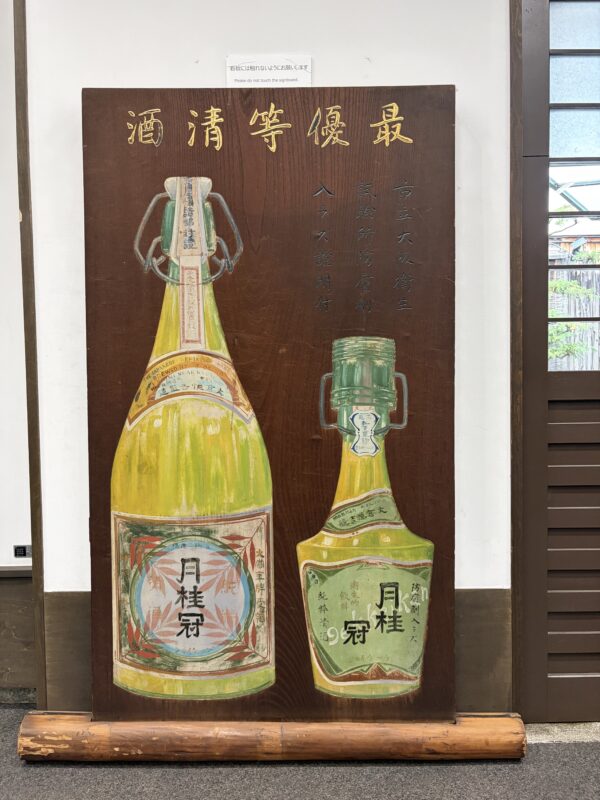
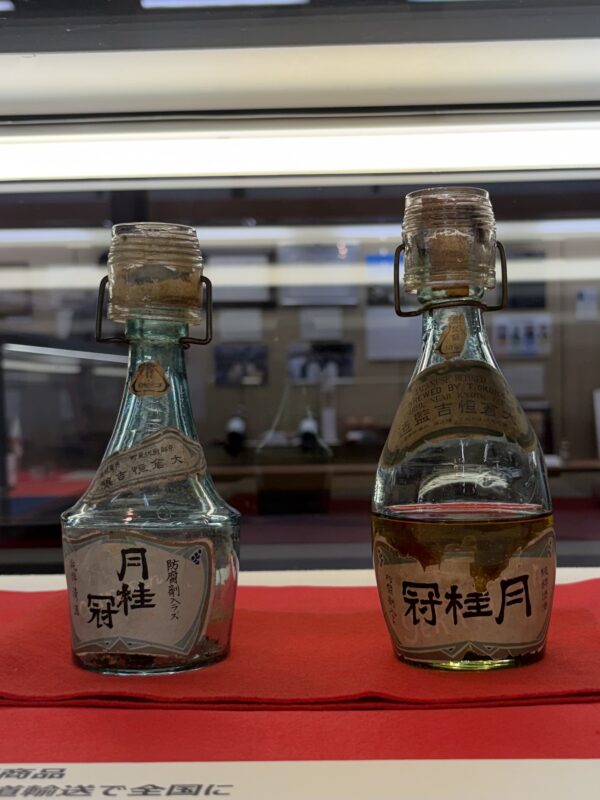
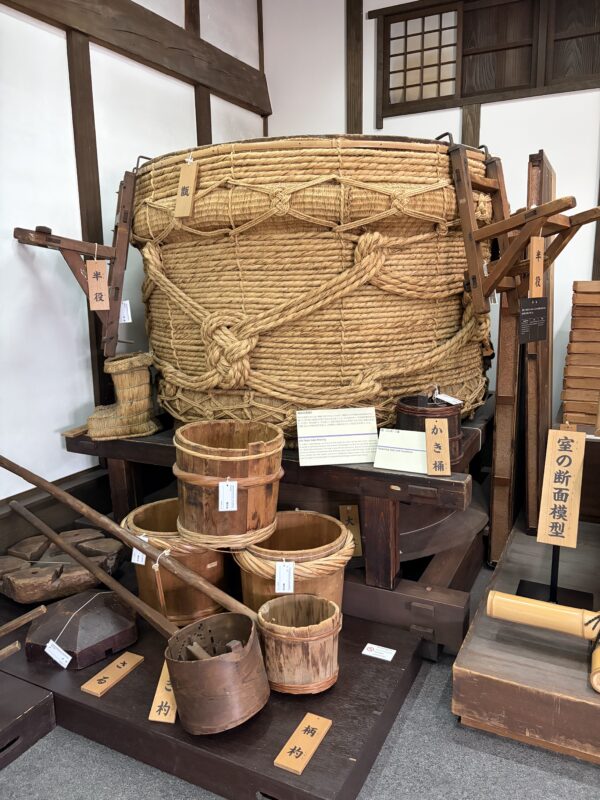
月桂冠の歴史、アメリカの生産拠点、古い道具、数々の賞状を見学し、最後にはお待ちかねの試飲です。入場時に受け取ったコインを3枚で3種類のテイスティングができます。
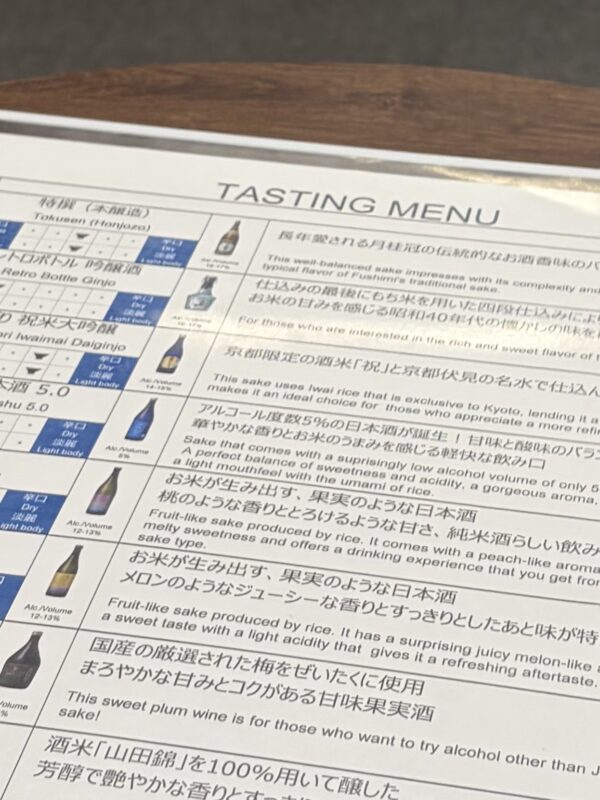
10種類以上の、軽くワインのようにフルーティーな日本酒から大吟醸まで選べます。自分でマシンにコインを入れて、ボタンを押すと透明の升の半分ほどの量のお酒が入ります。お酒が飲めない方は、水やお酒をお持ち帰りできます。ここに来ると他の入場者もとても楽しそうで、それぞれに賑やかにお酒を楽しんでおられました。
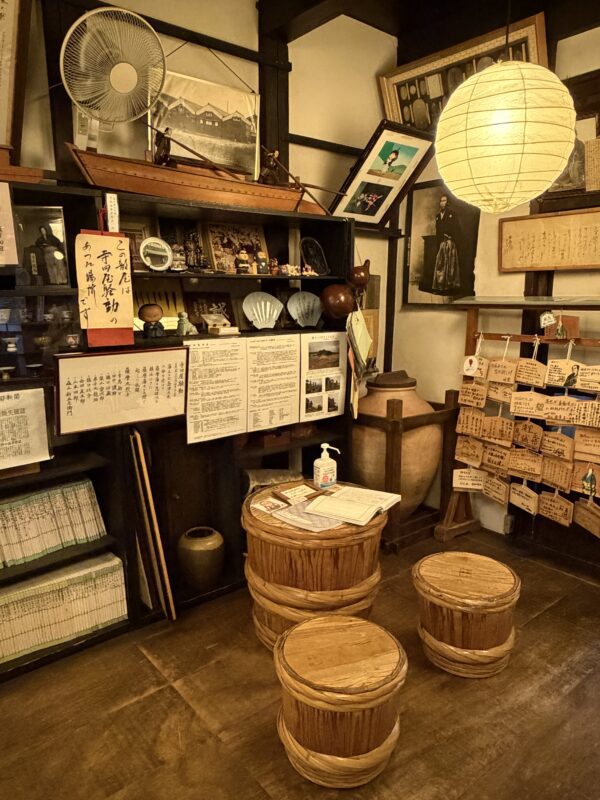
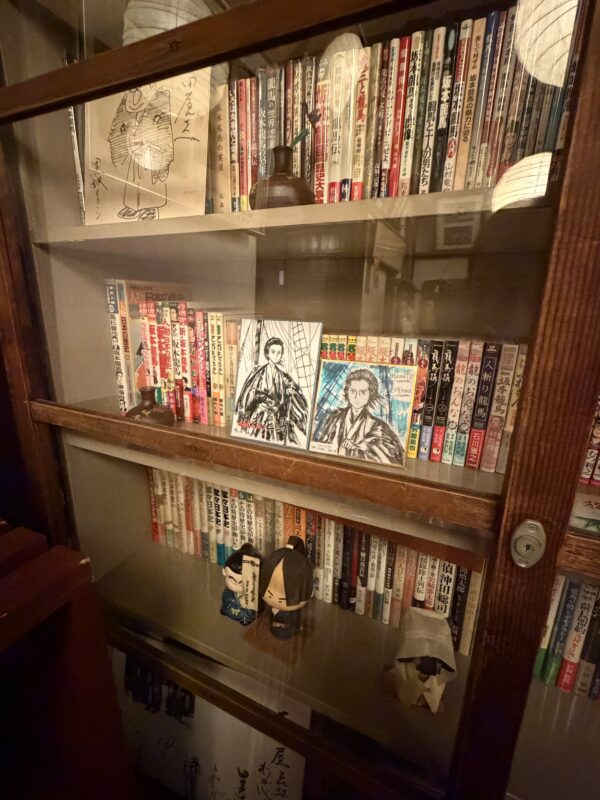
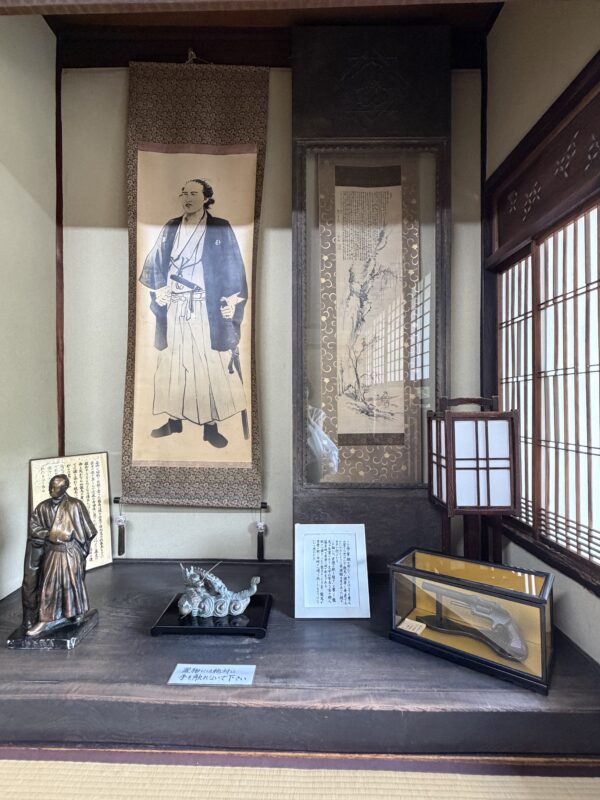
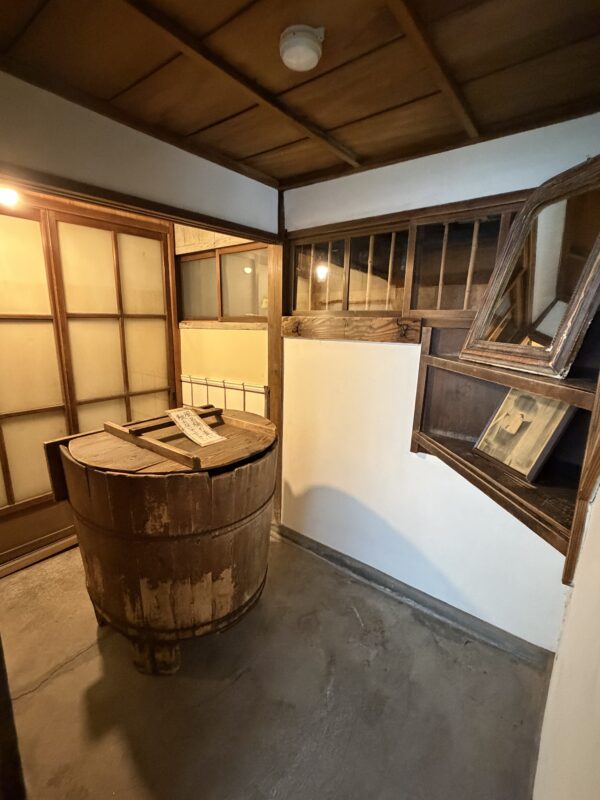
その後寺田屋へ。坂本龍馬の寝室、お風呂場から、柱に残る刀の跡など幕末の歴史を肌で感じる事ができました。建物じゅうに沢山の坂本龍馬の写真や関連資料が飾られていて、全国から龍馬ファンがこられる人気スポットであることがわかります。
ローカル感あふれる大手筋商店街。美味しそうなパン屋さん、お茶屋さん、ファーストフードやお洒落なカフェなど立ち止りたいお店が沢山あります。散策後の休憩場所も沢山の中から選べます。
約5時間の伏見散策ツアー。ゲストにも楽しんでいただけて良い日になりました。
パーソナルコンシェルジュとして、ゲストお一人おひとりの興味やご希望に合わせ、地元ならではの知識を活かして、京都での特別な時間をプランニングしていきます。京都で過ごす時間がより素敵なものとなるよう、お手伝いできれば嬉しく思います。
At Hotori, we have launched a customized “Personal Concierge Service” based on requests from our guests. In addition to guiding you to your desired sightseeing spots, the personal concierge also accompanies you on shopping trips and helps plan your itinerary. I am here to help you make the most of your limited time in Kyoto, ensuring your stay is both enjoyable and memorable.
My first guests were an American family. This was their third visit to Kyoto, so they were seasoned travelers. Although they had already visited many of the main tourist spots on their own, they asked me to take them to Fushimi—a place they’d been interested in but hadn’t had a chance to visit yet. They were interested in sake, tofu, Teradaya, and other temples and shrines. Based on these keywords, the personal concierge put together an itinerary for them.
Gokōnomiya Shrine is known for its blessings for safe childbirth. The first thing that caught my eye as we walked up the approach was the main hall—it was incredibly colorful and magnificently ornate; to be honest, I was surprised. It has a distinct atmosphere unlike other shrines. The main hall was donated by Tokugawa Yorinobu (the first feudal lord of the Kishu Tokugawa clan) in the second year of the Kan’ei era (1625), and I read that partial dismantling and restoration work was completed in June of Heisei 9, during which the vivid colors were restored. That certainly explains it. Although it was late July, the “chinowa” (a ring of reeds used in the Nagoe-no-harae purification ritual) was set up right in front of the main hall, and I was very grateful to have had the evil spirits of the past six months cleansed away. I also had the opportunity to watch the shrine maidens and the chief priest working up a sweat as they prepared another chinowa, and we left the shrine with a deep sense of gratitude.

Since the Ote-suji Shopping Street has an arcade, it was comfortable to walk there even on this midsummer day. We walked through the arcade and headed to the restaurant where we had a lunch reservation.
Tsuki no Kurabito is a restaurant converted from a sake brewery built by Gekkeikan in Taisho 2 (1913). While the exterior retains the look of a sake brewery, inside it’s a spacious, clean, and very comfortable restaurant with high ceilings. The seating areas are enclosed by wooden partitions, so even families with small children can relax and enjoy their meal at their own pace. They offer set meals, à la carte dishes, and a children’s menu, and the homemade zaru tofu is absolutely delicious. Served fresh and still slightly warm, it’s simply exquisite. Our vegan guest was also very satisfied.
While enjoying the delicious meal, I had a long conversation with the guests about Japanese traditions, values, children’s education, and much more. It was a truly precious moment for me as a personal concierge—a time when we could laugh and agree that, even though we come from different countries, we’re all human after all.
After lunch, we headed to the Gekkeikan Okura Sake Museum. Since visits are scheduled in time slots, it’s probably best to make a reservation during peak seasons. Upon entering, we were given a small plastic sake cup and three coins to use for the sake tasting at the end of the tour.
First, we watched a video explaining the sake-making process. Although sake brewing has become increasingly mechanized, I came to understand just how crucial manual labor and human intuition are to the craft. They also have a research facility, and I was impressed to see that they produce such delicious sake under very rigorous quality control. Even if I take just a single sip, I’ll drink it with a sense of gratitude, pausing to reflect on that moment.
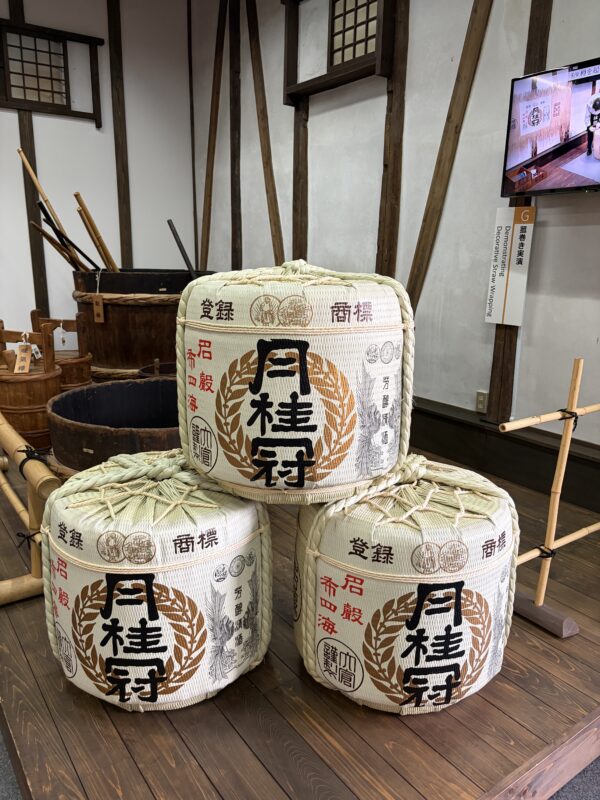
After touring Gekkeikan’s history, its U.S. production facilities, vintage tools, and numerous awards, the tour concludes with the much-anticipated tasting. You can use three of the coins you received upon entry to sample three different types of sake.
From a selection of over 10 types of sake—ranging from fruity varieties that taste like light wine to Daiginjo—you insert your coin into the machine yourself and press a button to dispense about half a transparent cup of sake. If you don’t drink alcohol, you can take home a water bottle or the sake bottle instead. You’ll see that other visitors are having a great time, each enjoying the sake in their own lively way.
After that, we headed to Teradaya. From Sakamoto Ryoma’s bedroom and bathroom to the sword marks still visible on the pillars, we were able to truly experience the history of the Bakumatsu period firsthand. With numerous photos of Sakamoto Ryoma and related materials displayed throughout the building, it’s clear that this is a popular spot attracting fans of Ryoma from all over the country.
Otesuji Shopping Street is brimming with local charm. There are so many shops that make you want to stop—from tempting bakeries and tea shops to fast-food and stylish cafes. After your stroll, you can choose from a wide variety of places to take a break.
It was an approximately 5-hour walking tour of Fushimi. The guests enjoyed themselves, and it was a wonderful day.
As a personal concierge, I will create customized experiences based on each guest’s interests and requests, drawing on my local knowledge. I would be delighted to help make your time in Kyoto even more special.
Mikko