2026.10.12

現代の日本では、神社とお寺は神道と仏教という別々の宗教です。元々は、中国や朝鮮半島から渡来した仏教が、元々日本で信仰されてきた神々と混ざりあう『神仏習合』の流れは、何世紀もかけて日本人の生活文化に深く根付いていました。
しかしながら、1868年の明治維新の転換期に突然『神仏習合』は終わりました。新しい政府は、天皇を中心とした国づくりをするために、神道を国の中心に据えようと考えたためです。
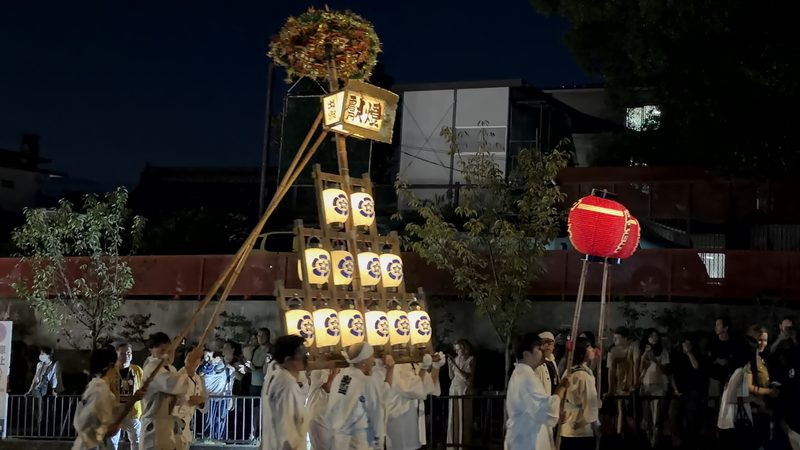
秋の京都では神仏習合を粟田祭で見る事ができます。粟田祭は10月11日から15日まで行われる神事です。見どころは沢山ありますが、今回は11日のそのハイライトの一つ『れいけん祭』と夜渡神事の『大燈呂の巡行』に行ってきました。


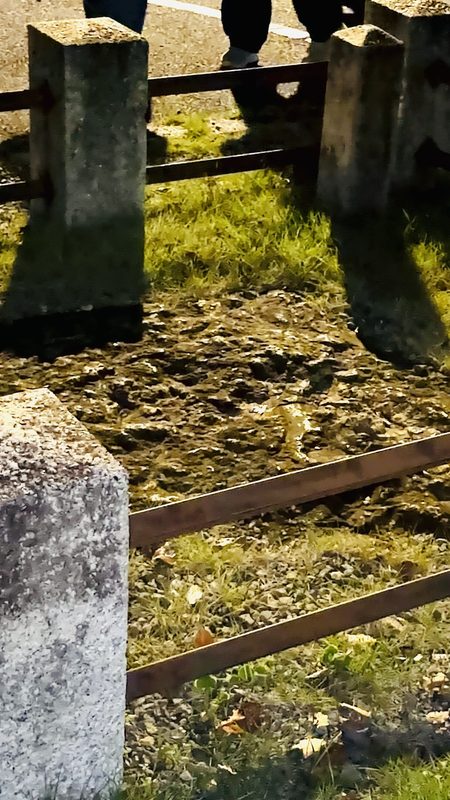
夕方まだ空が明るい17時半、知恩院さんの瓜生石前には沢山の観光客と、れいけん祭に関わる沢山の人でいっぱいでした。17時半になると知恩院の門が開き、僧侶達が階段を降りて来られます。待っていた神職の方々と僧侶たちが向いあい座り、順番に詔を捧げたりお経を唱え、儀式が進んでいきます。外国人観光客も沢山おられ、あれだけ沢山の人がいる場所なのに儀式中は本当に静かです。そこにいる全ての人が、この神事に深く敬意を払い見守っておられました。
神職の方々と僧侶達は普段一緒の場に存在することのない方々。しかしそこではまるで違う宗教が応援合戦を繰り広げているように感じました。宗教を超えて、敬意を払い合う姿はとても神聖でありがたく、日本らしいと感じたのでした。日もすっかり暮れて儀式が終わると、神職の方々、僧侶達、威勢のよい男衆、子ども神輿の子供達が輪になりながら何周もその場を巡ります。雅楽の調べ、威勢の良い掛け声、太鼓の音、手拍子、すべての音が重なり合う瞬間、心が震えるような感動を覚えました。
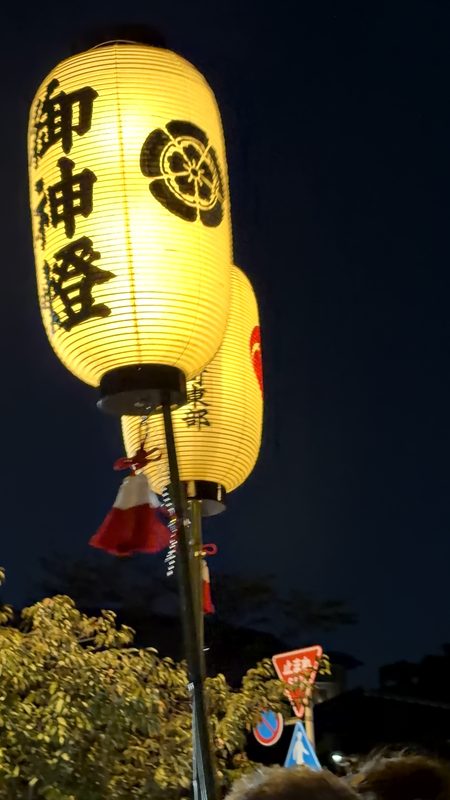


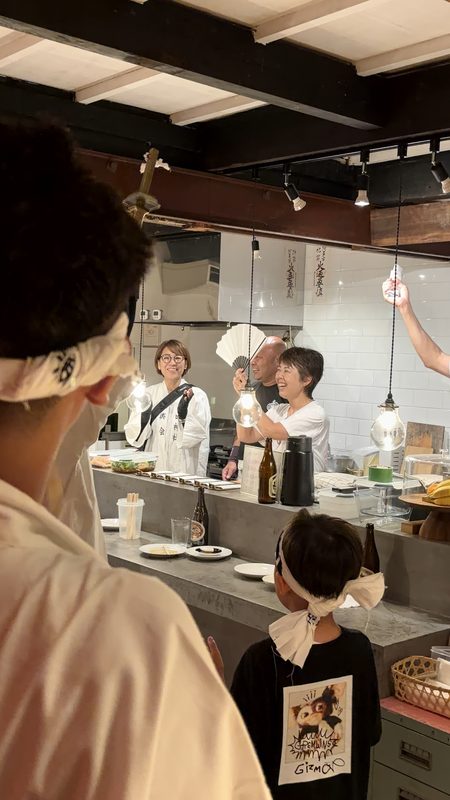
ほとりの朝食でお世話になっている東山三条にカフェを構える『腸活OKAMI LABO』。このカフェの前をお祭が通り過ぎていきます。
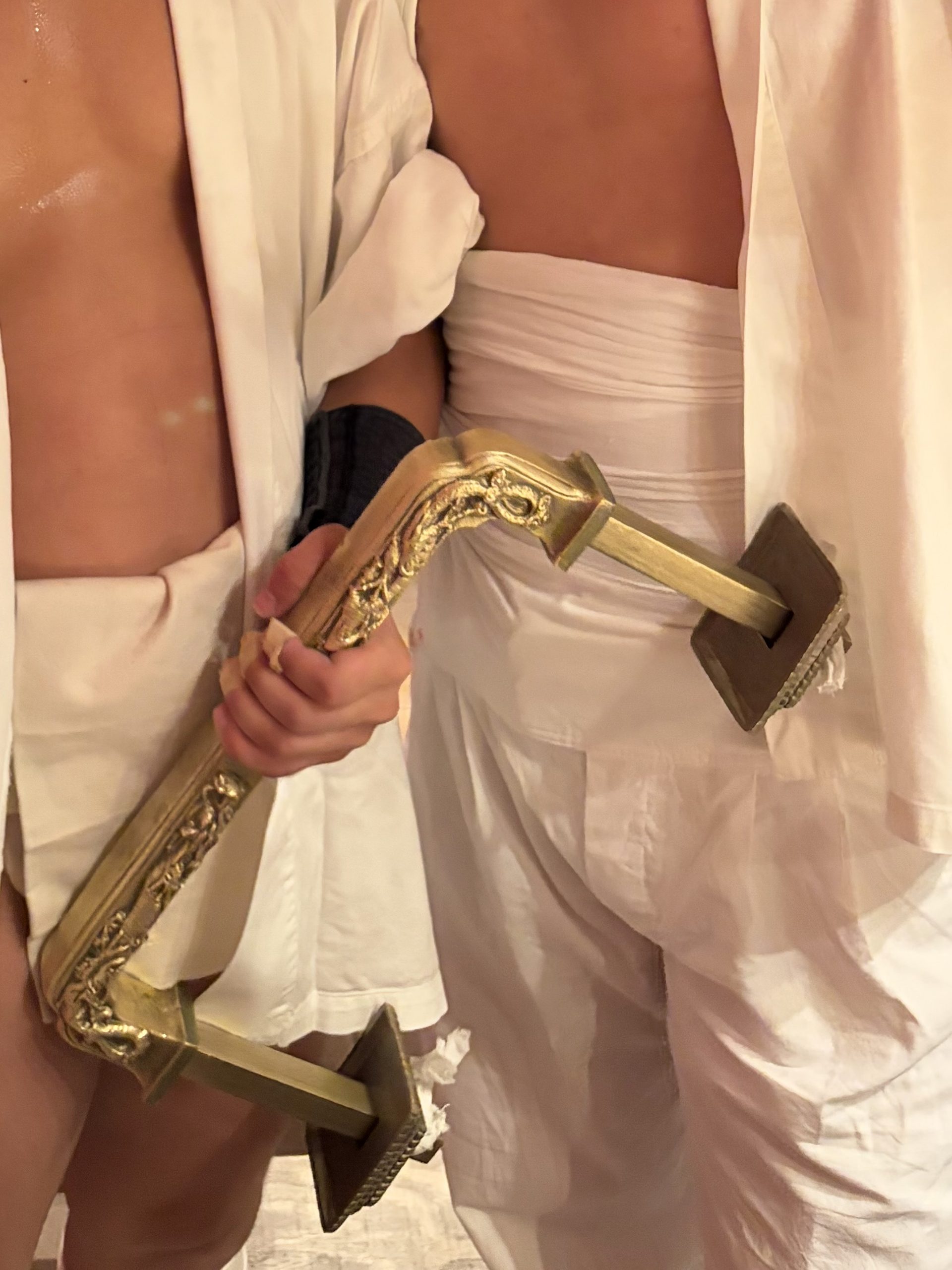
粟田神社に奉納されているOKAMI LABOさんにもお祭りの御一行が立ち寄られ、カフェの中でもお祭りのとてもおめでたい雰囲気を楽しむ事ができました。コの字型の鳴閂(なりかん)を上下に振りながら独特のステップを踏む男衆の皆さん。シャンシャンと音を響かせながらカフェの中に入って来られました。シャンシャンと言う音で清め、神様の巡行を知らせてくれるのです。つまり神様がお店に訪問されるという大変ありがたい瞬間なのです。勇ましい、男衆の皆さんの声がひとしきりカフェの中で響きます。20名くらいはいらっしゃったかと思います。とても熱気のある数分でした。
お店から男衆の皆さんに、お神酒が振る舞われます。汗を沢山かきながら「1年に1回、日本酒飲んでは次に走る日。」と笑いながらお酒を飲んでおられました。
粟田神社が地域ぐるみで宗教を超え実施されている大きな粟田祭。今年初めて見学することでまた新しい京都をみたような気持ちになりました。まだまだ知らないお祭りや行事が沢山あるので、コンシェルジュとしても精力的に見に行こう!と新たに決意をする良い機会になりました。
In modern Japan, Shinto shrines and Buddhist temples represent two distinct religions: Shinto and Buddhism. However, originally, Buddhism—which was introduced from China and the Korean Peninsula—blended with the deities traditionally worshipped in Japan in a process known as “Shinbutsu Shūgō” (the syncretism of Shinto and Buddhism), which became deeply rooted in Japanese life and culture over the course of many centuries.
However, this “Shinbutsu Shūgō” suddenly came to an end during the turning point of the Meiji Restoration in 1868. This was because the new government sought to establish Shinto as the cornerstone of the nation in order to build a country centered on the emperor.
In Kyoto every fall, you can witness the syncretism of Shinto and Buddhism at the Awata Festival. The Awata Festival is a Shinto ritual held from October 11 to 15. While there are many highlights, this time I went to see one of the highlights on the 11th—the “Reiken Festival”—and the “Daitoro Procession(floats parade),” a nighttime ritual.
At 5:30 p.m., when the sky was still bright, the area in front of the Uryu Stone at Chion-in Temple was packed with tourists and many people involved in the Reiken Festival. At 5:30 p.m., the gates of Chion-in Temple opened, and the monks came down the stairs. The Shinto priests who had been waiting sat facing each other, and the ceremony proceeded as they took turns presenting imperial edicts and Buddhism chanting sutras. There were also many foreign tourists present, yet despite the large crowd, it was truly quiet during the ceremony. Everyone there watched with deep respect for this sacred ritual.
The Shinto priests and the Buddhist monks—people who would normally never share the same space. It felt as if two different religions were engaged in a friendly competition of support. Seeing them show mutual respect across religious boundaries was deeply sacred and moving; it felt very quintessentially Japanese. Once the sun had completely set and the ceremony ended, the Shinto priests, Buddhist monks, the spirited group of men, and the children carrying the portable shrine formed a circle and circled the area several times. The melodies of gagaku, the spirited shouts, and the sound of the drums and the crapping—at the moment when all of these came together, I felt a deep, heart-stirring emotion.
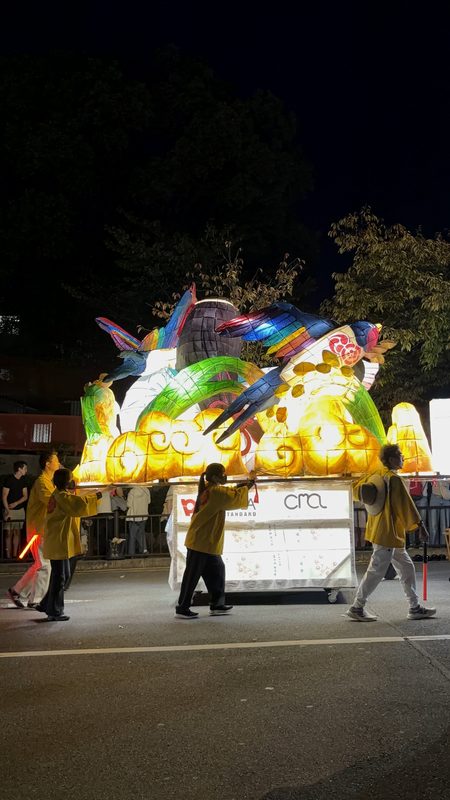
During the Yowatari shinji(night, ritual), the mikoshi procession, large, vibrant lantern floats—crafted over the course of six months by students from Kyoto University of the Arts—parade through the streets of Higashiyama on the night of the 11th. The spectacle is as dazzling as the Nebuta Festival. Each lantern features designs of deities or animals, and they all incorporate unique mechanisms—some rotate, while others allow the head of a white snake to be moved by hand—making each one a sight to behold. At the Higashiyama-Sanjo intersection, there was even a large lantern that rotated to a full 360 degrees. I watched the procession while cheering on the students wearing their yellow happi coats.
“OKAMI LABO,” a café located in Higashiyama Sanjo, serves breakfast at Hotori and is situated right next to the festival parade route. The festival procession passed right in front of this café.
The mikoshi procession also stopped by OKAMI LABO—which is dedicated to Awata Shrine—allowing us to enjoy the festival’s festive and auspicious atmosphere right inside the café. The men performed their unique dance steps while swinging U-shaped metal fittings up and down. They entered the café, their bells clanging “shan-shan.” The sound of “shan-shan” purifies the space and announces the deity’s procession. In other words, it was a deeply blessed moment—a visit from the deity to the café. The spirited voices of the men echoed through the café for a while. I think there were about 20 of them. It was a few minutes filled with tremendous energy.
The café served sacred Japanese sake to the men. Sweating profusely, they drank the sake with a laugh, saying, “Once a year, we drink sake and then run off to the next shop.”
This is a major festival held at Awata Shrine that brings the entire community together, transcending religious boundaries. Attending for the first time this year made me feel as though I had discovered a whole new side of Kyoto. Since there are still so many festivals and events I haven’t experienced yet, it was a great opportunity to renew my resolve to actively seek them out in my role as a concierge!
Mikko