2026.09.06
ホテルにお泊りの外国からのゲストに、金閣寺とか清水寺ほど混んでないお寺のおススメはありますか?と聞かれる事が時々あります。
そんな時はそれまでに行かれた場所をお聞きして、まだ行かれていないエリアの「ええとこ」をお薦めします。そして、何度かおススメしたのが大徳寺とその北側にある今宮神社です。
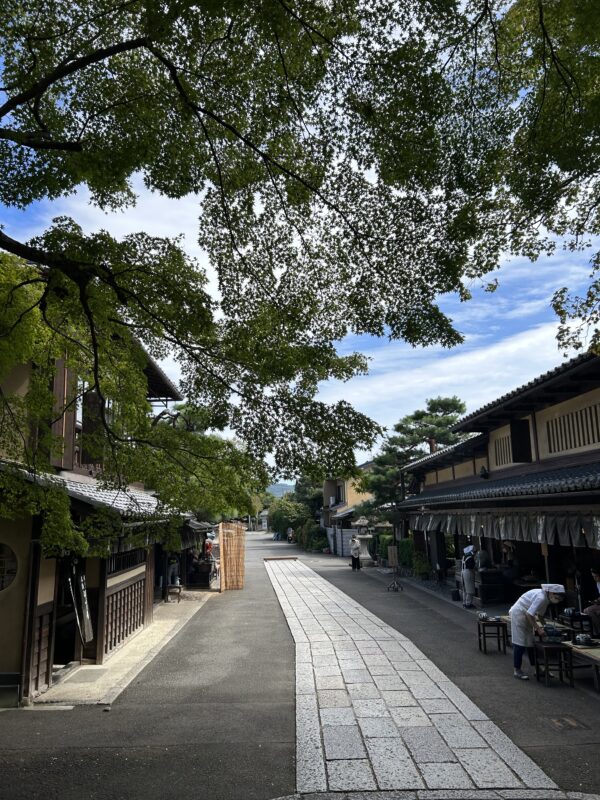
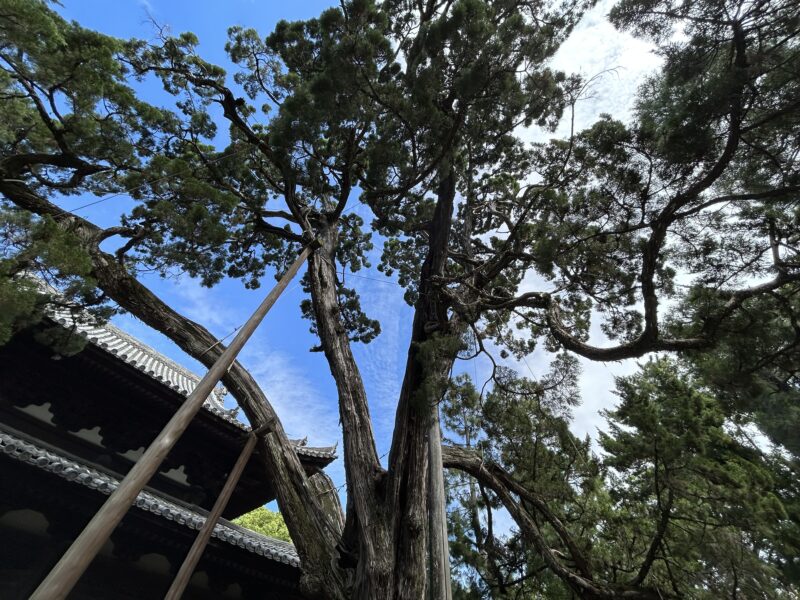
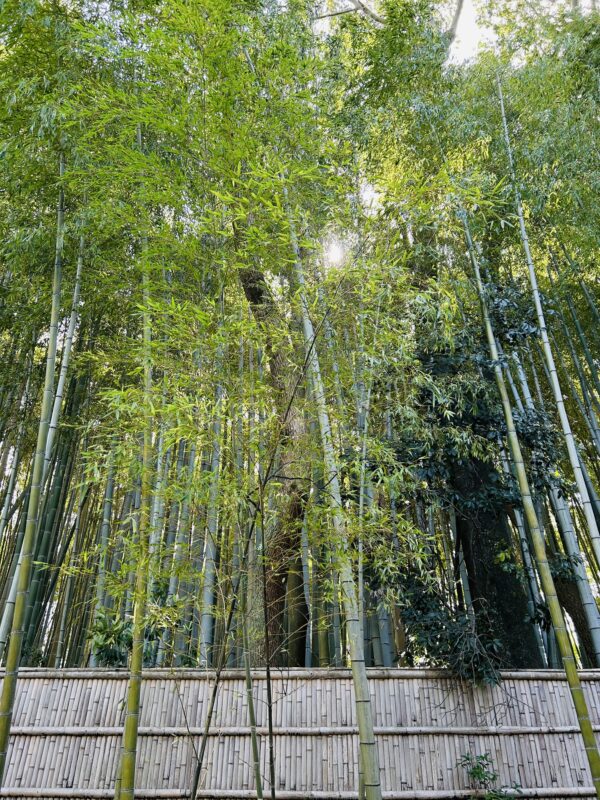
大徳寺の中の塔頭は非公開のお寺も多いのですが、公開されている寺院は観光客も少なく、ゆっくりと拝観できます。また大徳寺の境内は広いので、歩くだけでも歴史と自然を感じる事ができ、竹林の横の道は本当に気持ちがよいものです。
竹林を通り抜けると、すぐに今宮神社の大きな赤い門が見えます。
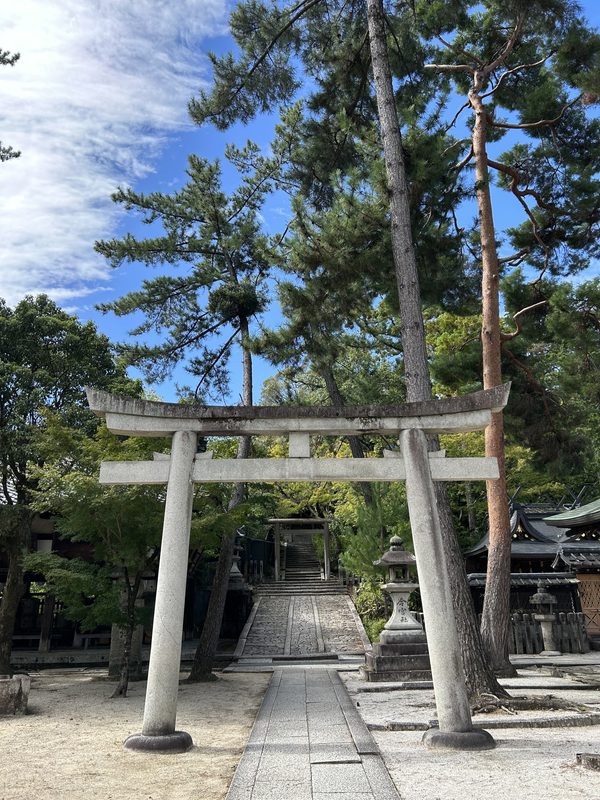
今宮神社は、もともと疫神を鎮め祀るために創建され、疫病退散のご利益で知られています。しかし別名「玉の輿神社」と呼ばれる、とても興味深い(ありがたい!)神社でもあります。八百屋の娘として生まれた「お玉」は、大奥で将軍家光の側室となり、五代将軍・綱吉を出産。やがて最高位に近い従一位という立場にまで昇りつめた、まさに「玉の輿」の人生を歩んだ女性なのです。今宮神社の復興に努められ、今も境内の真ん中にレリーフがあり、多くの女性が玉の輿祈願をされています。
石を持ち上げ二回目が軽く感じると願いが叶うという奇石 阿呆賢(あほかしさん)もあり、休みの日になると列ができる人気ぶりです。月読社、織田稲荷社などその他全部参拝したい位境内はみどころいっぱいです。


そして、今宮神社参拝の後には欠かせないお楽しみがあります。あぶり餅です!
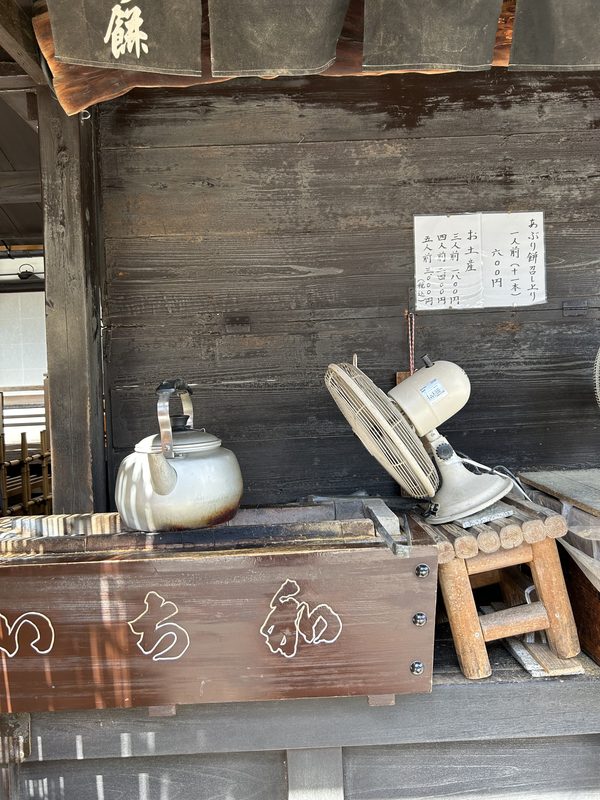
数年前の事ですが「千年の歴史がある一和という和菓子屋さんが京都にあるって記事を読んだよ。」とスイスの友達がメッセージをくれました。今宮神社の横にある、あぶり餅「一和」が紹介されたそうです。一和のお向かいにはライバル店「かざりや」があり、いつ行っても両店には同じ位の行列ができています。
猛暑の京都の8月は観光客の数も減りますので、行列が短く5分ほどで席に案内してもらえました。縁先に腰掛ける席もありますが、靴を脱いで上がる畳の部屋の方に案内されました。扇風機の風で涼みつつ、ちょっとレトロな雰囲気の急須とお湯のみで、冷たいお茶を飲みながらワクワクしてあぶり餅を待ちます。
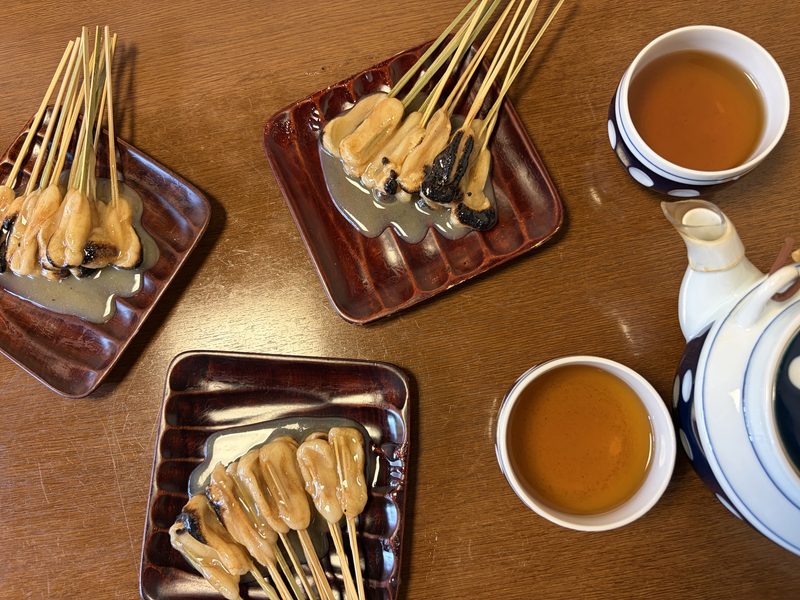
一皿11本のあぶり餅。白味噌のとろみがある甘じょっぱさが独特でとても美味しいです。散策と参拝の後の疲れが癒されました。
大徳寺、今宮神社、そしてあぶり餅というコースを是非体験してみてください。

I’m sometimes asked by guests staying at the hotel, “Do you have any recommendations for temples that aren’t as crowded as Kinkaku-ji temple or Kiyomizu-temple?”
When they ask that question, I ask them about the places they’ve already visited and recommend “great spots” in areas they haven’t been to yet. Daitoku-ji Temple and Imamiya Shrine, located just north of it, are two places I’ve recommended on several occasions.
While many of the sub-temples within Daitoku-ji temple are closed to the public, at the ones that are open not so many tourists visit, allowing you to explore them at your own leisure. Furthermore, since the grounds of Daitoku-ji are so spacious, simply walking around lets you soak in the history and nature, and the path alongside the bamboo grove is truly delightful.
As you pass through the bamboo grove, you’ll immediately see the large red gate of Imamiya Shrine.
Imamiya Shrine was originally founded to appease and enshrine the god of epidemics and is known for its efficacy in warding off epidemics. However, it is also a very interesting (and fortunate!) shrine, known by the nickname “Tamano-koshi” Shrine.” Tamano-koshi refers to marrying into a wealthy or powerful family, especially for a woman. Born as the daughter of a greengrocer, “Otama” became a concubine of Shogun Iemitsu in the Ooku and gave birth to the fifth shogun, Tsunayoshi. She eventually rose to the rank of Jūichi-i, living a life that truly exemplified a “marriage into wealth and privilege.” She worked tirelessly to restore Imamiya Shrine, and even today, a relief of her stands in the center of the shrine grounds, where many women come to pray for a marriage into wealth and privilege.
There is also a strange stone called “Aho Kashi-san,” which is said to grant a wish if you lift it and the second lift feels lighter; it’s so popular that lines form on weekends. The shrine grounds are full of attractions, including the Tsukuyomi Shrine and the Oda Inari Shrine—that I want to visit them all.


And there’s one treats you simply can’t miss after visiting Imamiya Shrine: Grilled Aburi mochi!
Several years ago, a friend from Switzerland sent me a message saying, “Just recently I saw an article talking about the old shops in Kyoto. There is this one shop called Ichiwa that sells rice cakes for over 1,000 years!” Yes, this is it! “Ichiwa,” an Aburi mochi shop right next to Imamiya Shrine, had been featured even in Europe. Across the street from Ichiwa is its rival shop, “Kazariya,” and no matter when you go, there are always equally long lines at both shops.
Since the number of tourists drops in Kyoto during the sweltering heat of August, the line was short, and we were shown to our seats in about five minutes. We were led to a tatami room where we took off our shoes. As we cooled off in the breeze from the electric fan, we sipped cold tea—served in a slightly retro teapot with cups—and waited excitedly for the Aburi mochi.
A plate of 11 Aburi mochi. The sweet-and-salty flavor, enhanced by the thick consistency of white miso, is unique and absolutely delicious. It really soothed my fatigue after a stroll and a visit to the shrine.
Be sure to check out the course of Daitoku-ji Temple, Imamiya Shrine, and Aburi Mochi.
Mikko