2026.02.02

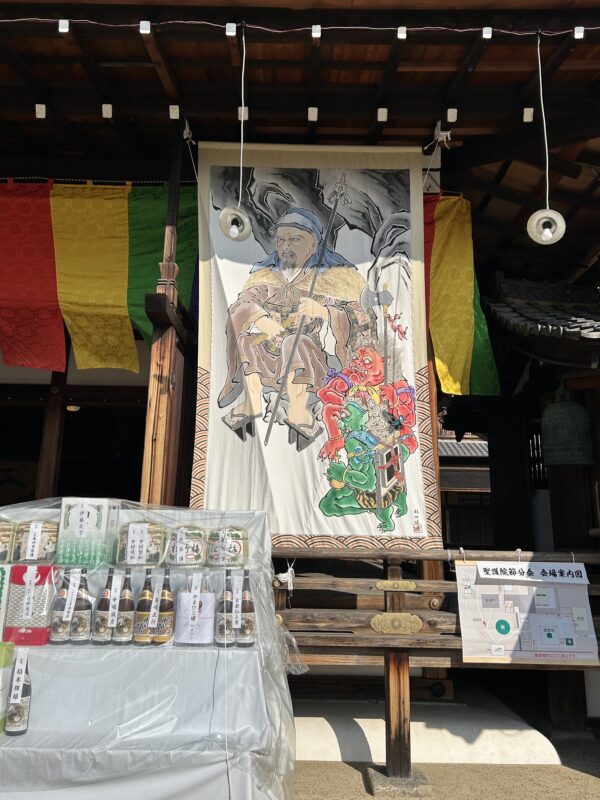
明日は節分。市内の寺あちこちの寺社仏閣では節分会が開催されます。今日は聖護院門跡へといってまいりました。
門跡とは、皇族や公家が住職を務める特定の寺院やその住職で格式の高い寺院です。皇族が住職と聞くと、とても優雅な世界のように聞こえます。しかし「山伏」と呼ばれる行者は、薄黄色の独特の装束を身に着け修験道という厳しい修行で心身を修練されています。
お寺に向かって歩いていると、遠くからほら貝の音が聞えてきました。もしや山伏さんに会えるかな?と期待して近付いていくと、山門前にいらっしゃいました!ほら貝を間近で聴けるなんてラッキー。山伏さんの横には、お坊さんがおられてほら貝について参拝者に説明をされていました。早朝の静かな時間帯だと、東山で吹いたほら貝の音が、聖護院まで届くそうです。そして、ほら貝を吹いておられるのは、なんと新人山伏さん。参拝者達から頼まれて記念写真を一緒に撮ったりフレンドリーにお話ししてくださいました。お話を伺うと、松田さんというお名前のなんと通訳案内士として京都でガイドをされている方でした。寺社仏閣を沢山案内するものの、その真髄をもっと理解したいと修験道に入られたそうです。素晴らしいですね。
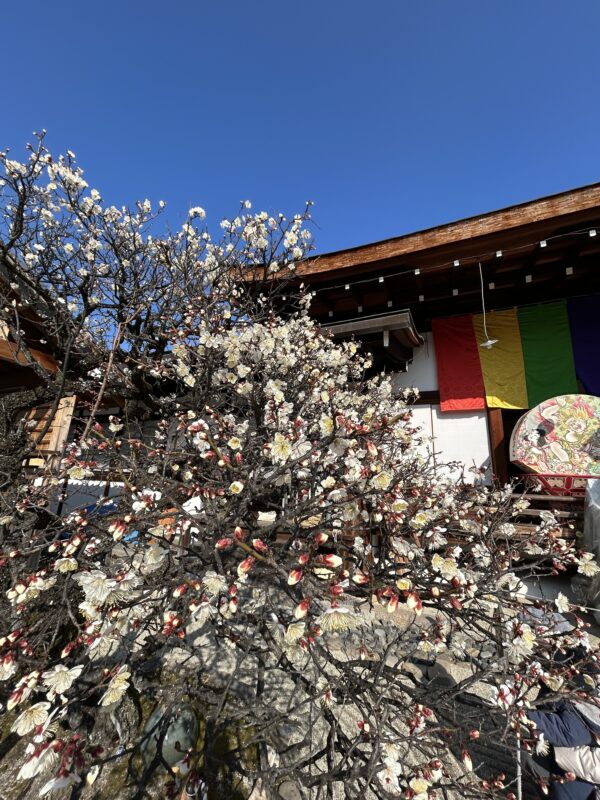
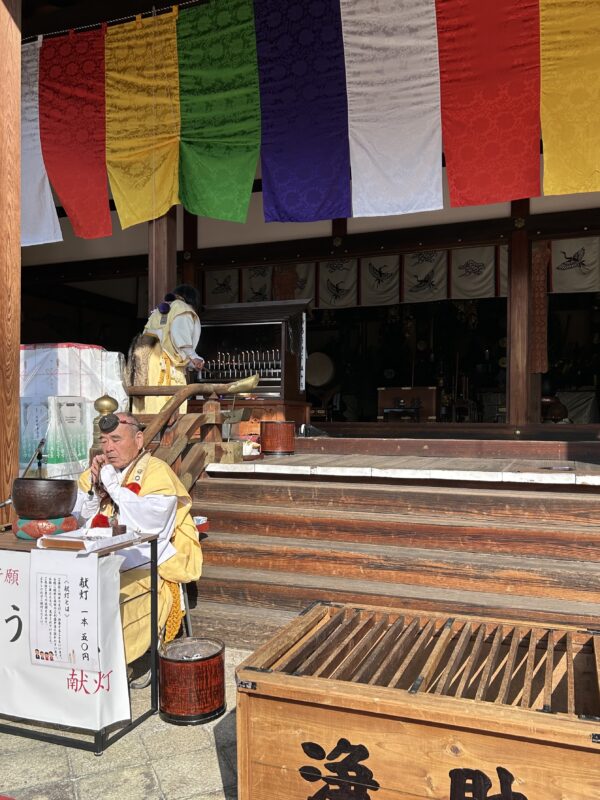
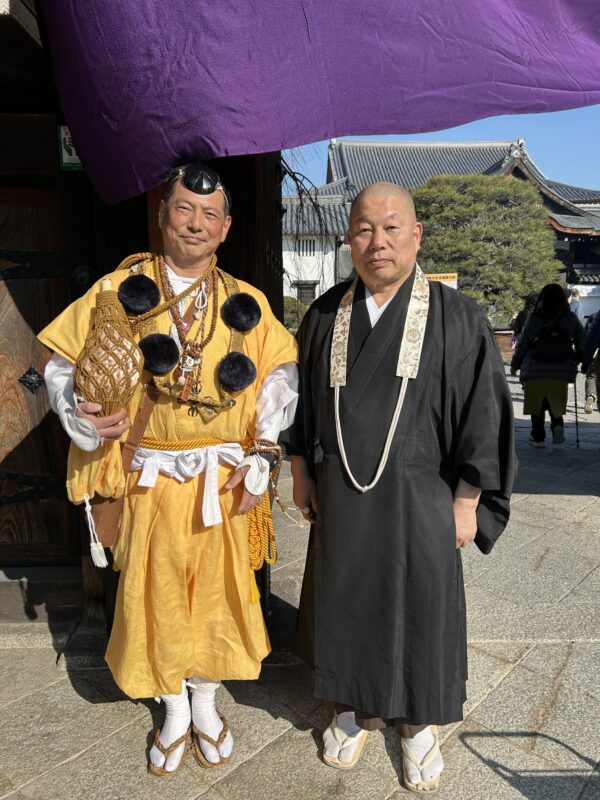
門を入ると奥の方から威勢の良い「ろうそく一丁」「ろうそく一丁」と威勢の良い声が聞こえてきました。宸殿前には献灯を求める列が続いており、私も並んでみました。赤色の梵天をつけた一番ランクの高い山伏さんが参拝者を迎えてくださいます。順番がくると、念珠をじゃりじゃりとこすり合わせながら、一人一人に丁寧に「家内安全、無病息災」などなどとてもありがたい祈祷をしてくださいました。
宸殿に上がると、不動明王像を始め、迫力のある表情の仏像がずらりと並んでいました。今まで見た中で最大級の聖護院大根が御供としてリンゴやミカンなどと一緒に並んでいたのが印象的です。
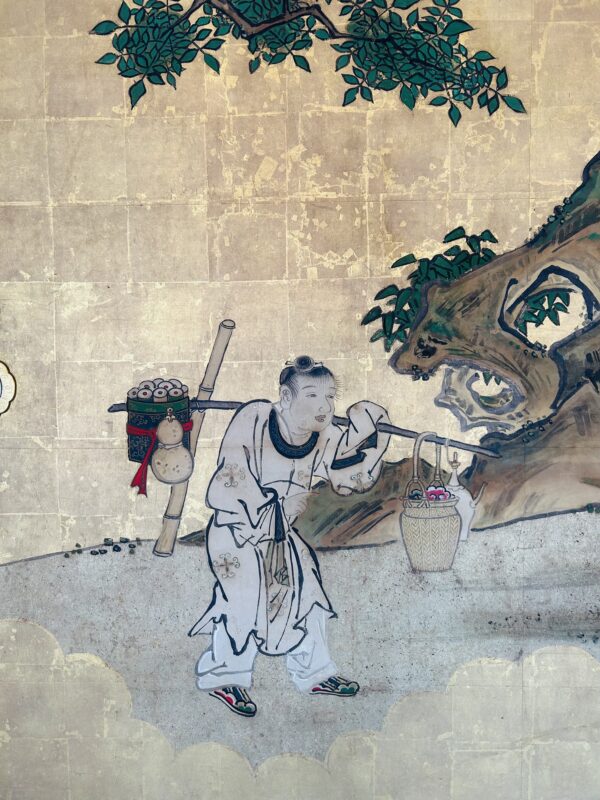
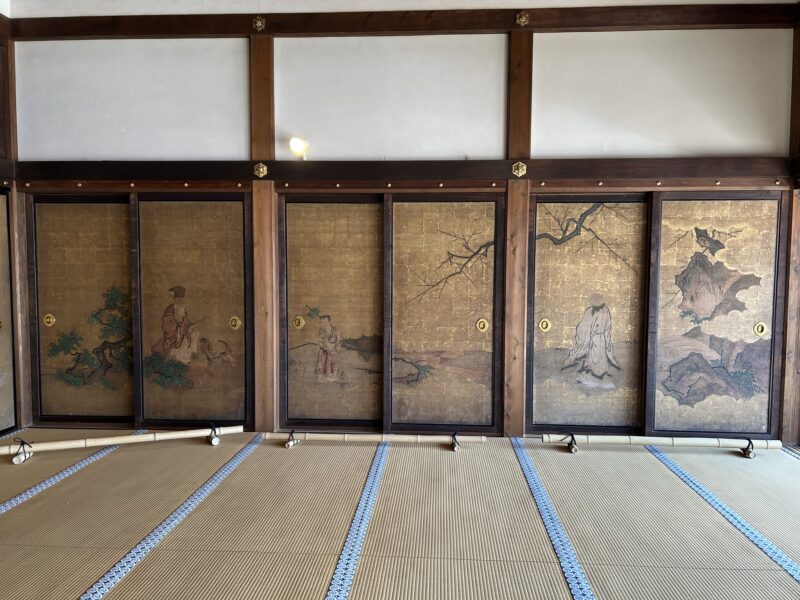
金色の美しい襖絵や金碧障壁画は狩野永納・益信筆。さすが皇室ゆかりのお寺だと感じます。
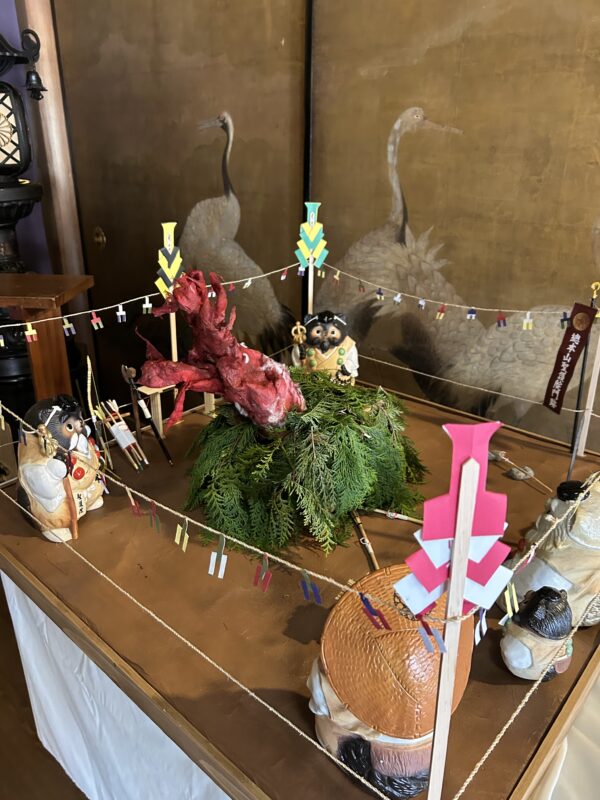
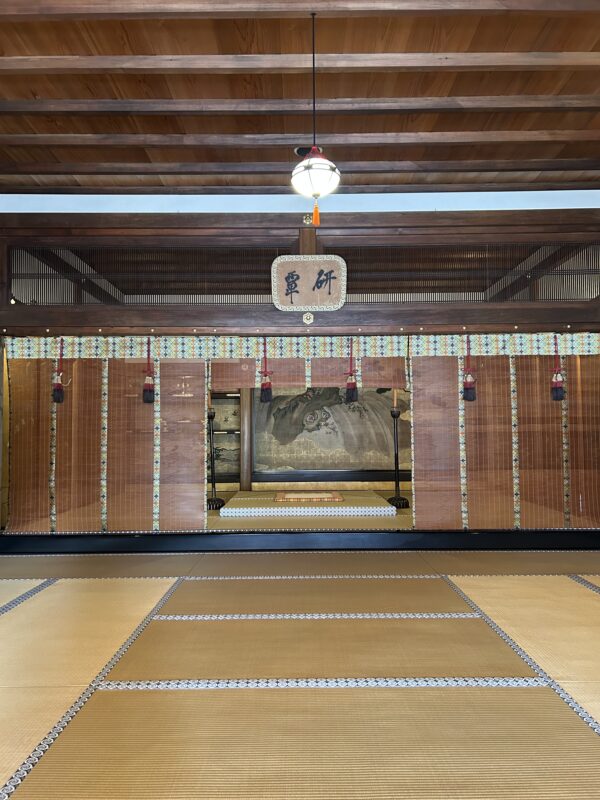
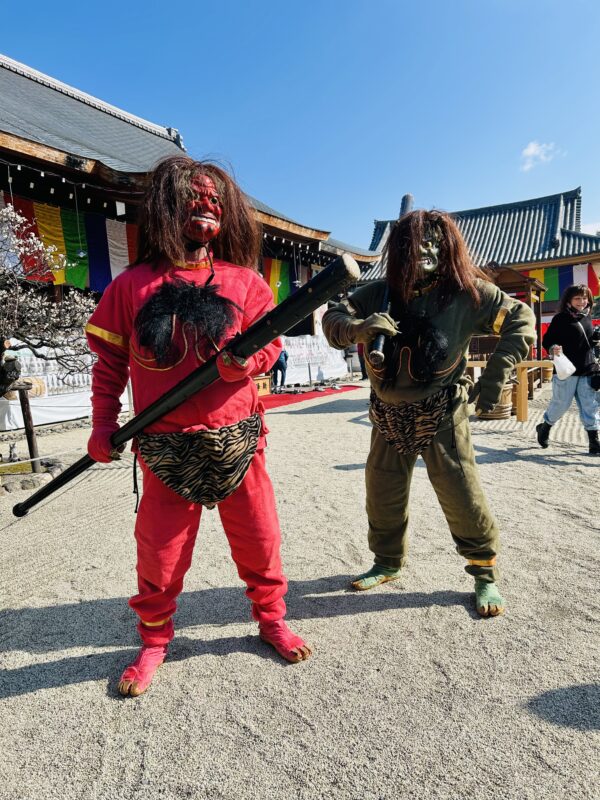
節分会なので、鬼さん達も登場してくれました。たちまち参拝者に囲まれ撮影大会。「青鬼さん、赤鬼さんの横に並んでください。」との声に素直に並んでポーズを決めてくれました。修験の教えによって改心した聖護院の鬼さん達は本当に優しかったです。
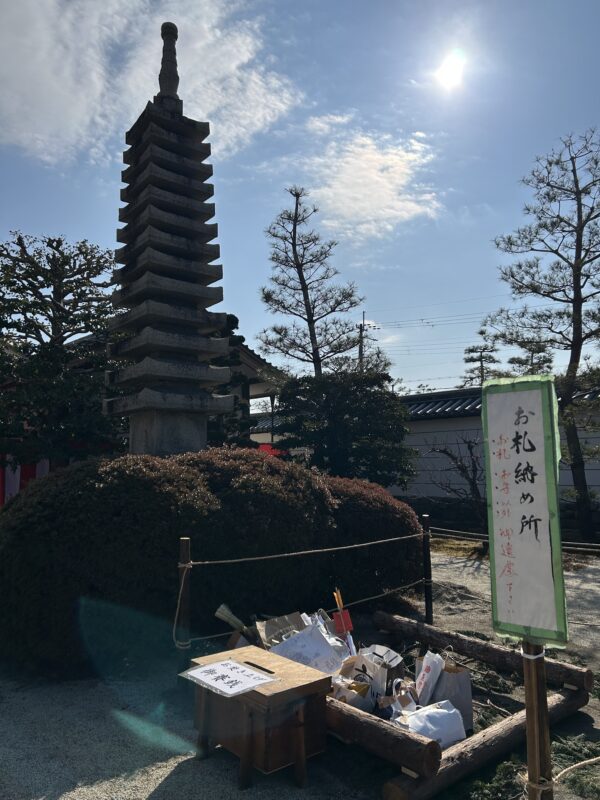
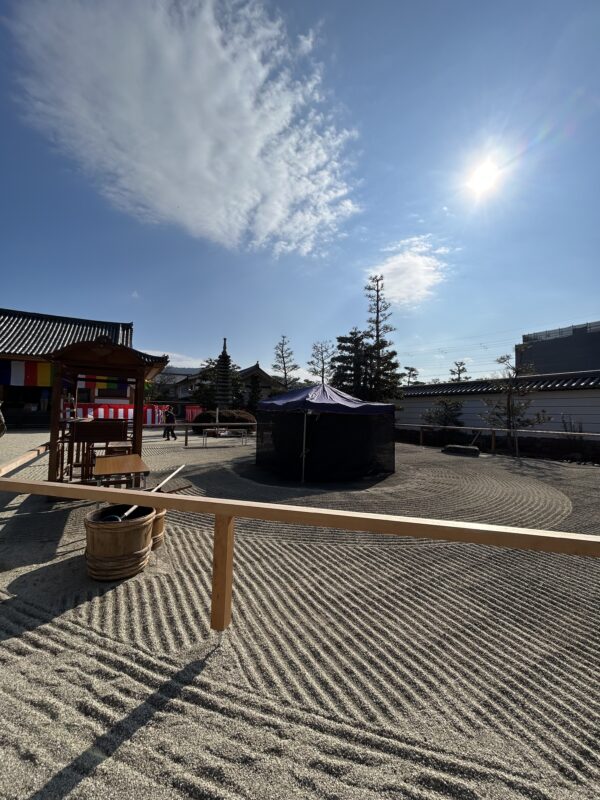
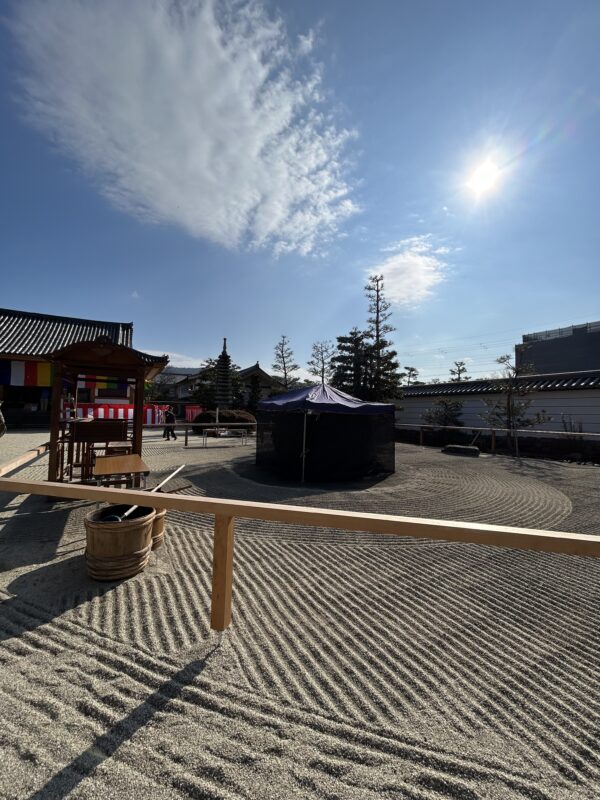
明日は、護摩の残り火を用い、一年間お世話になった御札や御守のお焚き上げをする儀式が山伏によって執り行われます。寺社・宗派を問わず古札を持ち込めます。普段は広い石庭ですが、真ん中には護摩壇の木や枝が積み上げられていました。大きな炎で1年間の厄を燃やします。
修験道、不動明王、というと強く厳しいイメージですが、聖護院門跡の中には実はとてもロマンチックな設えがあります。秋の特別公開時には重要文化財の書院に入ることができるのですが、この書院は後水尾天皇からの寵愛を受けていた櫛笥隆子(くしげたかこ)のために御所に建てた「女院御殿」を聖護院に移築したもの。柱に取り付けられたくぎ隠しが折文(おれぶみ)の形をしているのです。それは当時の恋文を表すものでした。愛する女性に対する細やかなお心遣いができる男性であったと推察される設えです。
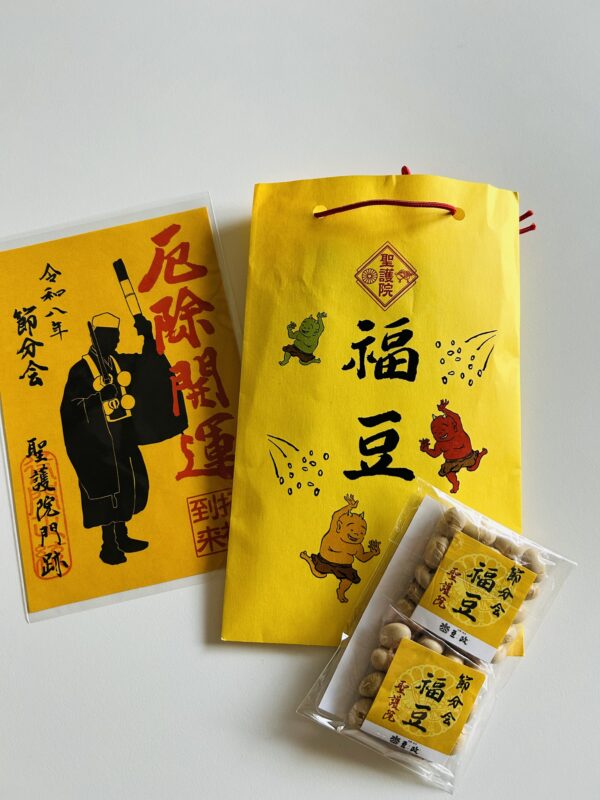
これからの1年の厄除け開運を願う聖護院門跡の節分会。立春の節目に参拝できたことは、とても嬉しい事でした。
Setsubun originally means “seasonal division.” Today, it is generally celebrated only on the day before Risshun (the first day of spring), in Japan.
This is deeply connected to the belief that Risshun marked the beginning of the year.
Therefore, Setsubun came to be regarded as “the day to drive away evil and invite good fortune before welcoming the new year.”
Tomorrow is Setsubun. Setsubun ceremonies will be held at temples and shrines throughout the city. Today I went to Shogoin Monzeki Temple.
‘Monzeki’ refers to specific temples where members of the imperial family or court nobles serve as chief priests, signifying temples of high status. Hearing that members of the imperial family serve as chief priests might give the impression of a very elegant world. However, the ascetics known as ‘yamabushi’ wear distinctive pale-yellow robes and undergo rigorous training in Shugendō to discipline the mind and body.
As I walked towards the temple, I could hear the sound of a conch shell (horagai) drifting in from afar. Could I possibly meet a mountain ascetic? I hoped so and drew nearer, finding one standing before the temple gate! What luck to hear the conch shell up close! Beside him stood the chief priest, explaining the instrument to the worshippers. Apparently, during the quiet early morning hours, the sound of a conch shell blown in Higashiyama can reach all the way to Shogoin. The person blowing the conch shell was, surprisingly, a new mountain ascetic. He kindly posed for photos with visitors and chatted with us in a friendly manner. When I asked about him, I learned that his was Mr.Matsuda and that he was actually a licensed interpreter-guide working in Kyoto. Although he guides many people through temples and shrines, he joined the Shugendō path because he wanted to understand its essence more deeply. How wonderful!
As I entered the gate, a spirited cry of “One candle! One candle!” echoed from within. There was a queue stretching before the main hall of people waiting to offer a candle, and I joined it. The highest-ranking mountain ascetic, who was wearing a red Bonten necklace, welcomed the worshippers. When it was my turn, he performed a deeply appreciated prayer for each person, such as ‘safety for the household’ or ‘freedom from illness and disaster’, while rubbing his prayer beads together to make a distinctive rattling sound.
Inside the main hall, powerful-looking Buddhist statues, including a statue of Fudō Myōō, lined the space. The largest daikon radish I had ever seen was on display as an offering, alongside apples and mandarin oranges.
The beautiful gold fusuma sliding door paintings and the gold wall paintings were the work of Kano Eino and Kano Masunobu. The temple truly felt connected to the Imperial family.
Demon characters made an appearance for the Setsubun festival. They were instantly surrounded by worshippers eager to take photos with them. When a woman asked them to stand side by side, the blue and red demons obediently lined up and struck a pose. The demons of Shogoin, reformed through the teachings of Shugendo, were kind indeed.
Tomorrow, the mountain ascetics will perform a ritual fire ceremony using the remaining embers from the goma fire. This will purify the talismans and amulets that have protected us throughout the year. You can bring old talismans regardless of the temple, shrine or sect they are from. The usually spacious stone garden was filled with wood and branches from the goma altar. A large flame will burn away the misfortunes of the past year.
When one thinks of Shugendō and Fudō Myōō, images of strength and severity usually spring to mind. Yet the Shōgoin Monzeki boasts a surprisingly romantic setting. During the special autumn opening, visitors can enter the Shoin, study hall, which is an Important Cultural Property. Originally built within the Imperial Palace as the ‘Nyoin Palace’ for Kushige Takako, who appreciated the favour of Emperor Go-Mizunoo, this study hall was later relocated to Shōgoin. The nail covers attached to the pillars are shaped like folded letters. These represented the love letters of that era. This design suggests a man capable of such thoughtful consideration for his beloved.
The Setsubun Festival at Shōgoin Monzeki involves praying for protection from misfortune and good fortune for the coming year. Visiting at the turning point of new spring day was a truly joyful occasion.
Mikko