2026.02.15
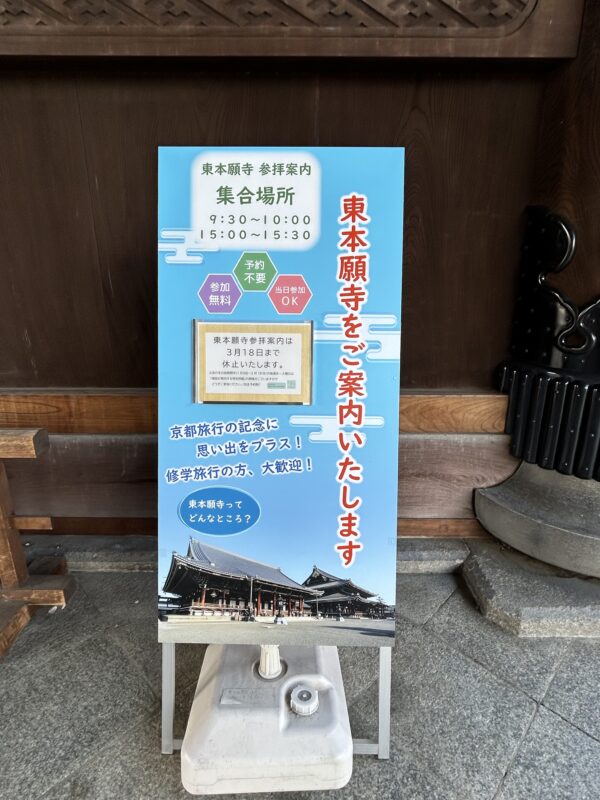
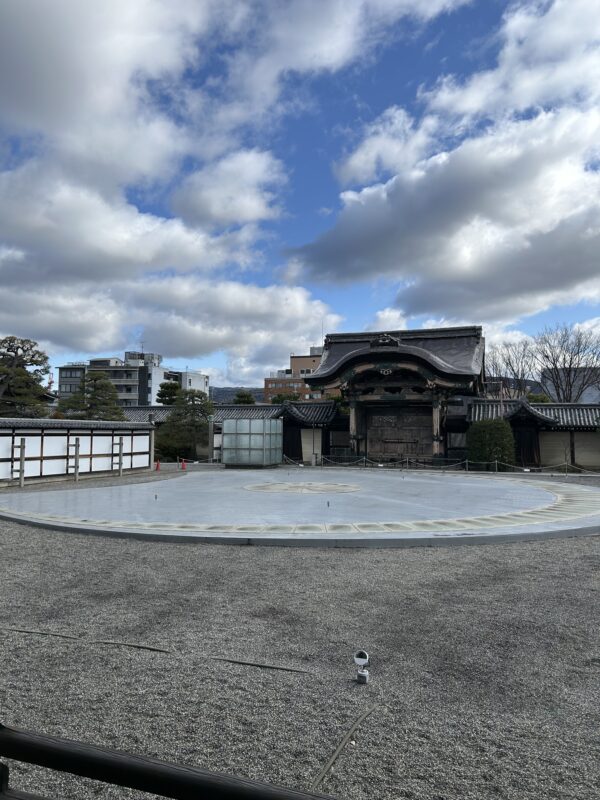
京都駅から一番近くて大きなお寺は浄土真宗の東本願寺です。門徒さんだけでなくたまたま通りがかった観光客もふらっと立ち寄る事のできるいつでも賑わうお寺です。正門前は市民緑地広場 お東さん広場としてマルシェや音楽のライブイベントも開催されていますので、週末はとても楽しい雰囲気になります。東本願寺では日に2回、職員による無料説明ツアーが行われています。(2026年3月28日までは休止中)
京都の多くのお寺は何度も焼失して再建されています。東本願寺は1864年に禁門の変で境内の建物が全焼しました。再建されたのが1895年。再建にあたり、一人から多額の寄進は禁止していたそうで全国の農民たちによってお金を集められたそう。今から131年前の落慶式には小泉八雲も出席し、門徒の宗教心と熱狂的な支援は西洋人の視点からはとても驚きだったと旅日記に記録していたそうです。
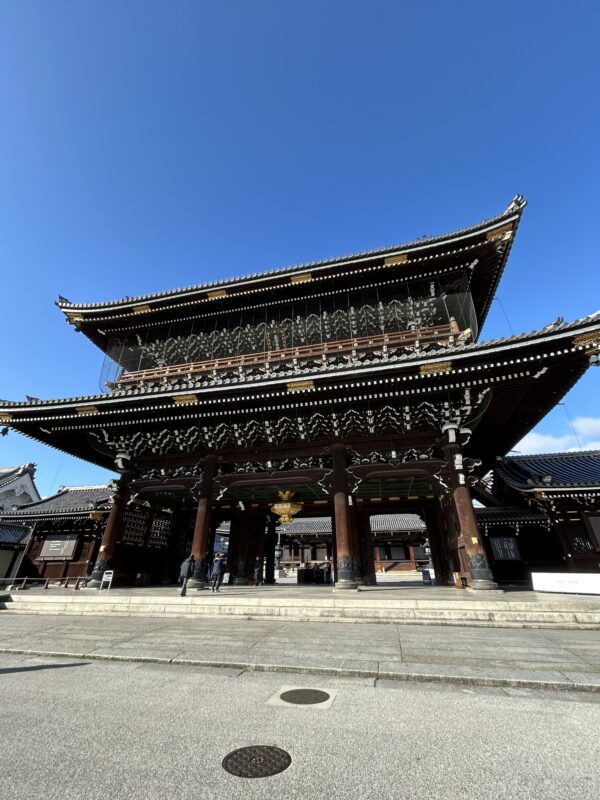
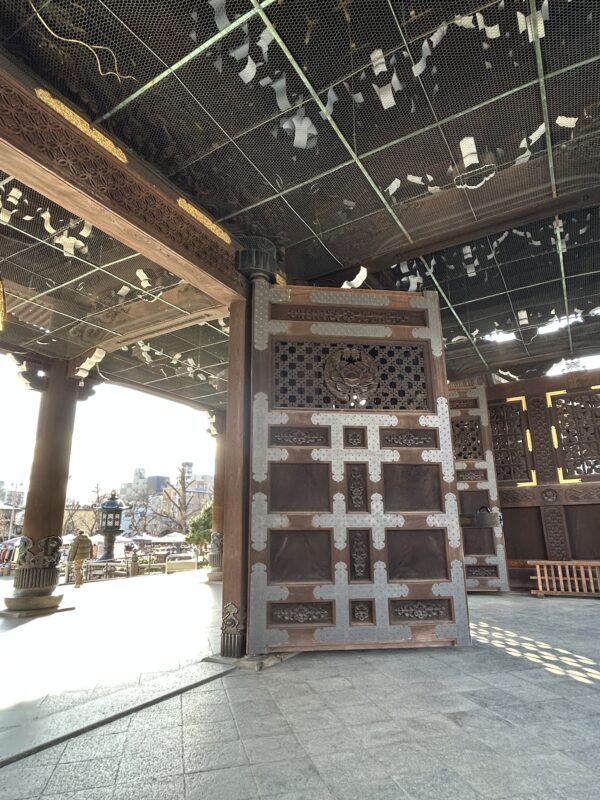
正面の御影堂門は、さすがの風格です。楼上には仏像が安置されています。門一面には美しい彫刻が施され、そして大きな大きな門は一枚板からできているのです。直径2メートルはある門なので、元の木は当然それよりも直径が大きかったことが明らかです。それほどの木が全国から京都へ送られてきたことがわかる資料を後程見学することができます。
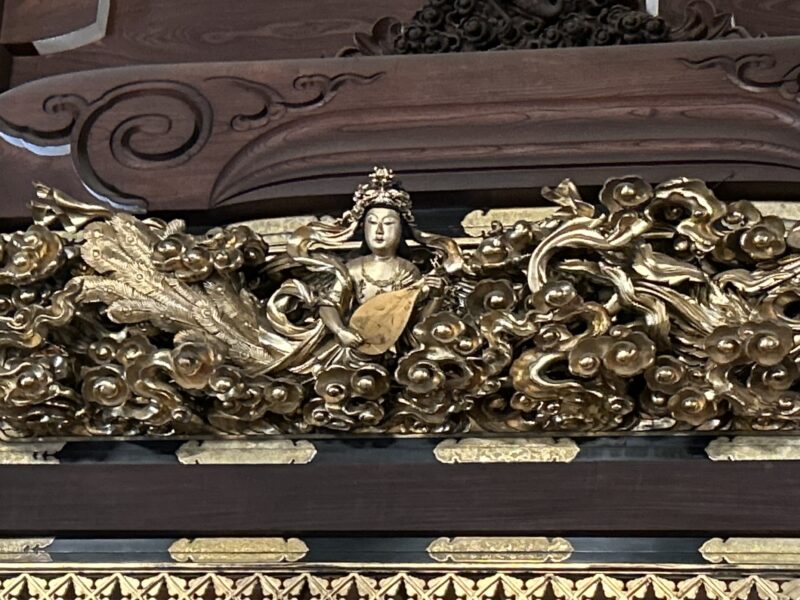
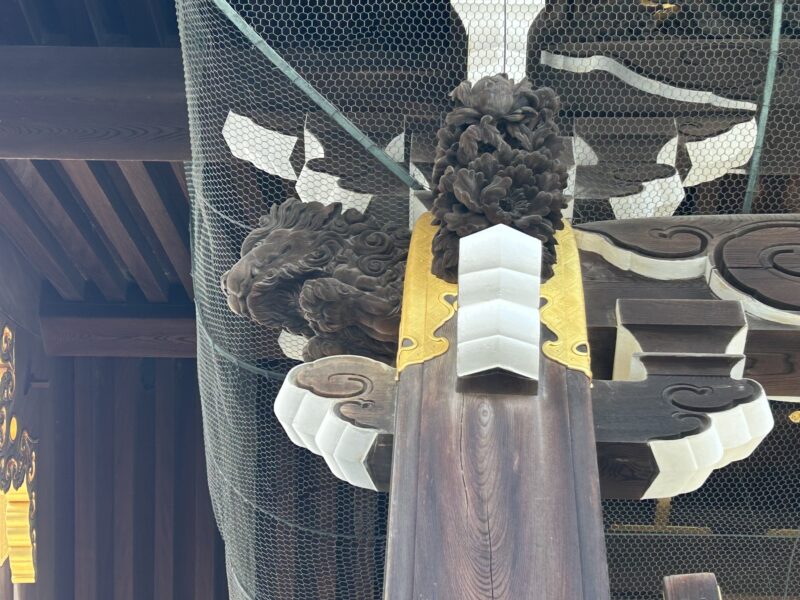
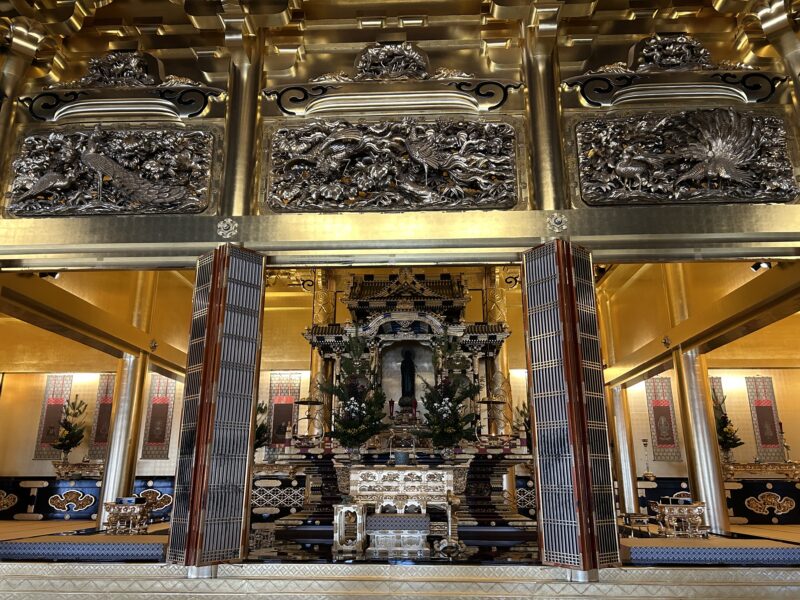
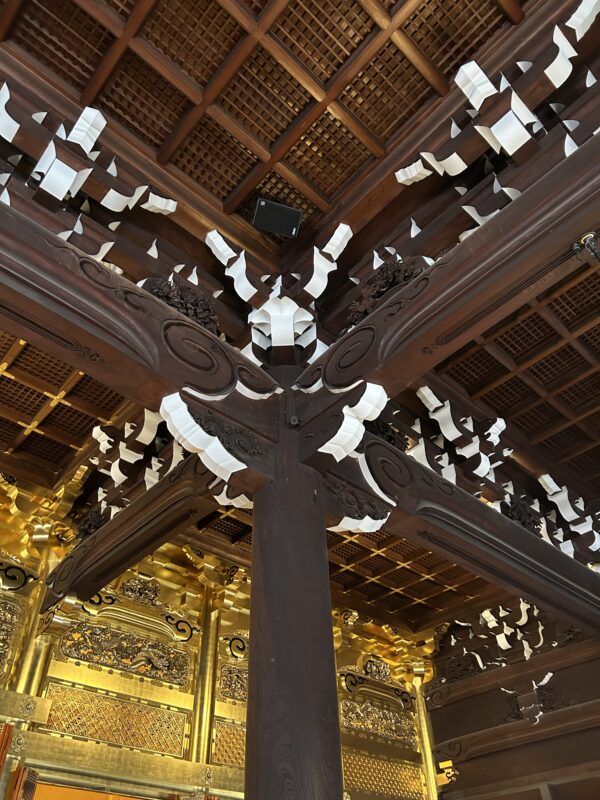
彫刻ガイドマップを手に取り「彫刻を見る」という視点で参拝するとまた違う世界が広がります。門や柱の彫刻、門の上の梁の端に施されたライオンに似た獅子の彫刻、御影堂のかえでと鹿の彫刻などなど、富山県井波の彫刻師たちの力作が揃っています。阿弥陀堂は草花などの写実的な彫刻、御影堂には想像上のものが彫られています。御影堂の欄間の天女や上半身が美女で下半身が鳥の迦陵頻伽(かりょうびんが)には目を奪われます。
阿弥陀堂と御影堂をつなぐ渡り廊下には、再建の時にいかに全国から木材が集められたかがわかる資料が展示されています。全国から船で木材が大阪に集められ、その後は鉄道で大阪から京都へ運ばれ、京都駅から東本願寺までは再建用の線路を引いて運んだそうです。また『毛綱』という麻と老若男女が寄進した髪を撚り合わせて作られたとても太くて頑丈なロープも展示されています。全国から53本も集まったそうです。
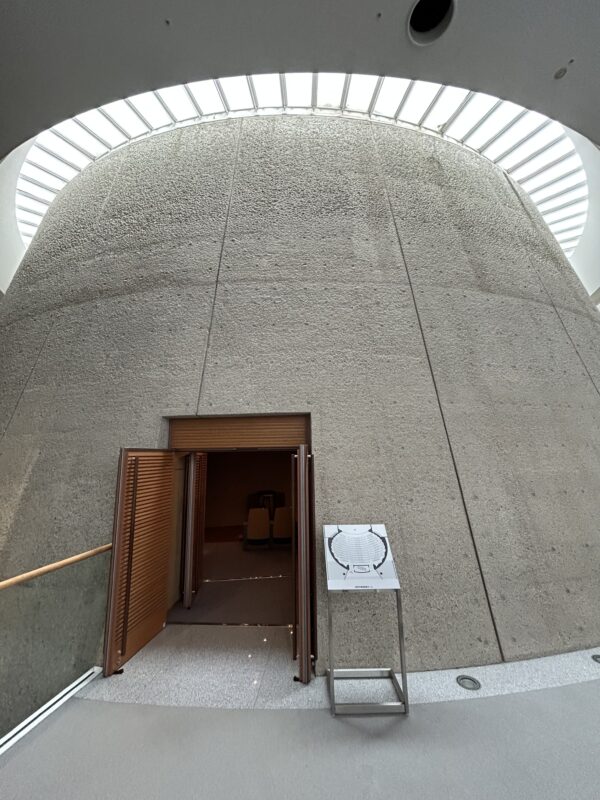
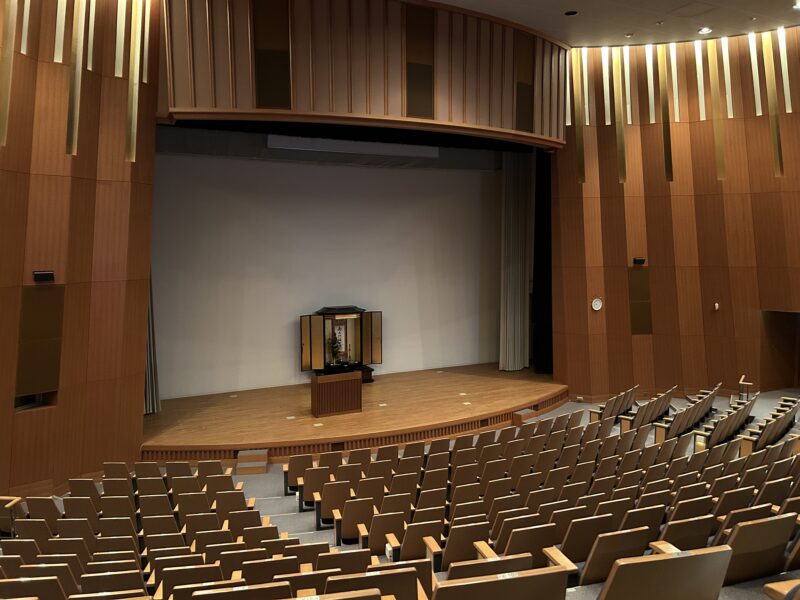
阿弥陀堂と御影堂以外にも見どころは沢山あります。コンクリートの神殿のようなたたずまいの視聴覚ホールは地下に作られたホールです。建築家高松伸氏によりデザインされ海外からも見学に来られるそうです。三日月と太陽のデザインの大きな天窓から光が入りますので、地下と言っても圧迫感はありません。
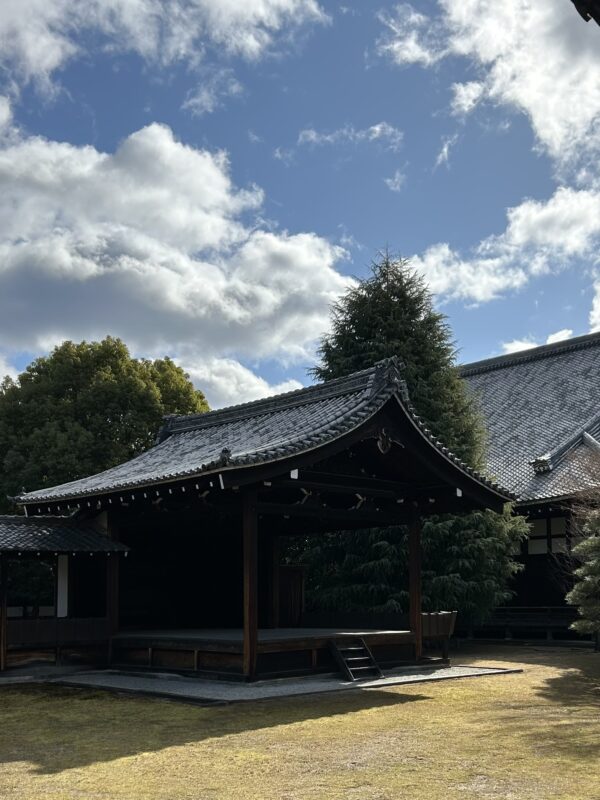
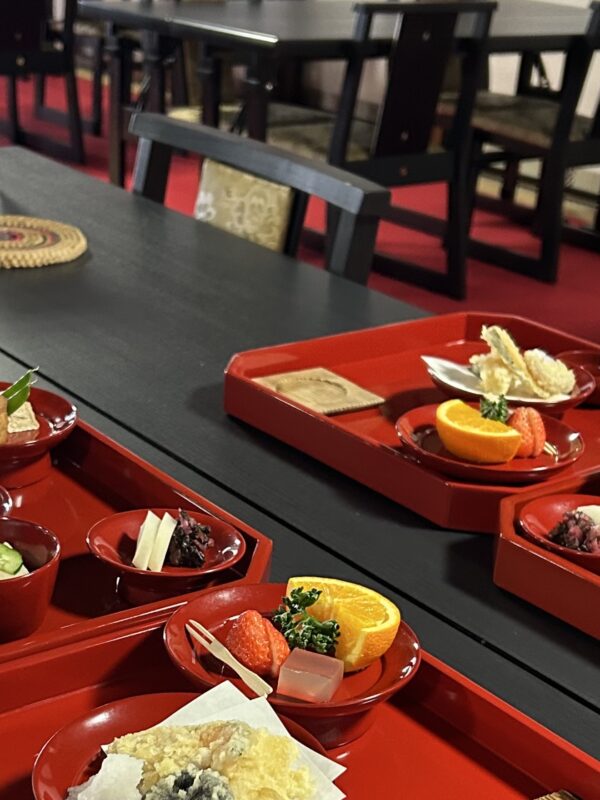
予約制で数量限定ではありますが、重要文化財に指定されて通常非公開の白書院では精進料理をいただく事ができます。また非公開のエリアではありますが、能舞台では年末の歌番組の中継場所やライブ会場として使われたり、書院では映画の撮影も行われるそうです。宮御殿には、明治天皇からいただき、大宮御所から運ばれた貴重な襖が沢山あり、畳の縁は珍しい赤色でした。天然のべニバナで染められたものだそうです。
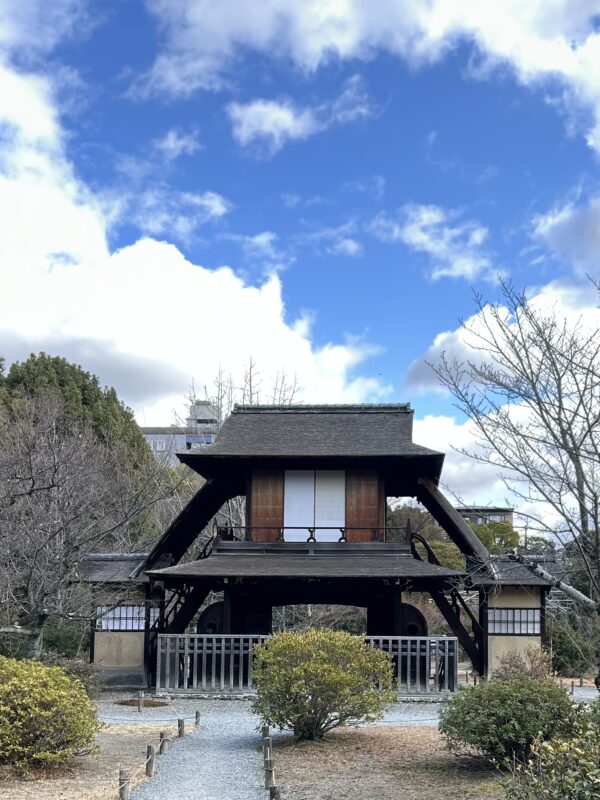
東本願寺から徒歩数分の場所に、渉成園があります。典型的な日本庭園とは異なり、もともと東本願寺の隠居所として造られたもので、庭園と住居、そして茶室形式の接待スペースで構成されています。ロシア皇太子やヘレン・ケラーが訪れたとも言われています。東本願寺のゲストハウスと呼べる存在です。
東本願寺と渉成園は是非セットで訪れてみてください。
The largest and closest temple to Kyoto Station, Higashi Honganji temple is a Jodo-Shinshu temple. It is always bustling, welcoming not only parishioners, but also tourists who happen to pass by and decide to stop in. In front of the main gate is Ohigashi-san Plaza, a public green space which hosts markets and live music events at the weekend, creating a lively atmosphere. Free guided tours led by temple staff are offered twice daily at Higashi Honganji Temple.
Many of Kyoto’s temples have been destroyed by fire and rebuilt multiple times. The buildings at Higashi Honganji were completely burned down during the Kinmon Incident of 1864. Reconstruction was completed in 1895. It is said that large donations from individuals were prohibited during the reconstruction, and instead funds were collected by farmers nationwide. The author, Mr Lafcadio Hearn, attended the dedication ceremony 131 years ago. In his travel diary, he noted that the religious devotion and fervent support shown by the temple’s followers was astonishing from a Western perspective.
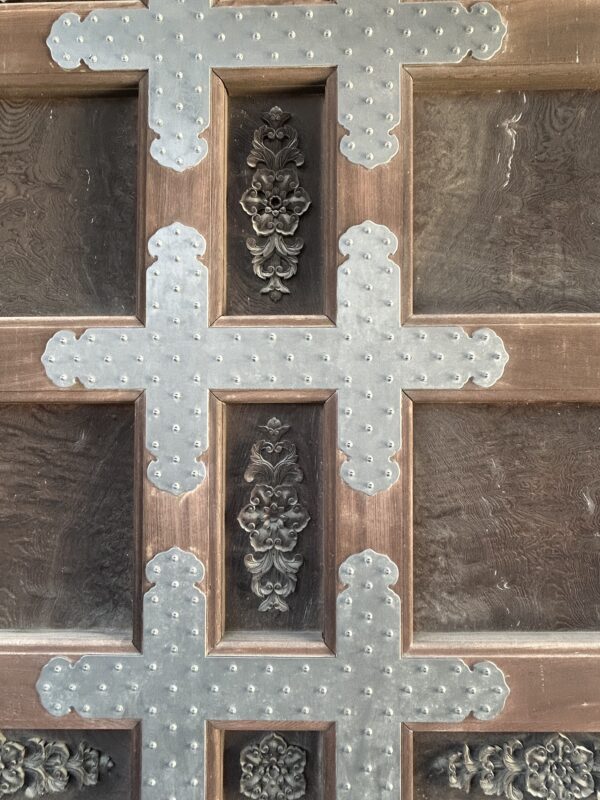
The main entrance gate, the Goeidōmon, truly possesses a dignified presence. Buddha statues are enshrined on the upper floor. The entire gate surface is adorned with exquisite carvings, and this enormous gate is crafted from a single piece of wood. With a diameter of at least two meters, it’s clear the original tree was even larger. Later, you can view historical records showing that such massive timber was transported from all over the country to Kyoto.
Pick up a sculpture guide map and explore the temple with a “viewing the carvings” perspective to discover a whole new world. The carvings on the gates and pillars, the lion-like carvings on the ends of the beams above the gates, the maple and deer carvings in the Goeido Hall, and more—all are masterpieces by carvers from Inami, Toyama Prefecture. The Amida Hall features realistic carvings of plants and flowers, while the Goeido Hall showcases imaginative subjects. The celestial maidens and Kalavinka birds (with the upper body of a beautiful woman and the lower body of a bird) on the transoms of the Goeido Hall are truly captivating.
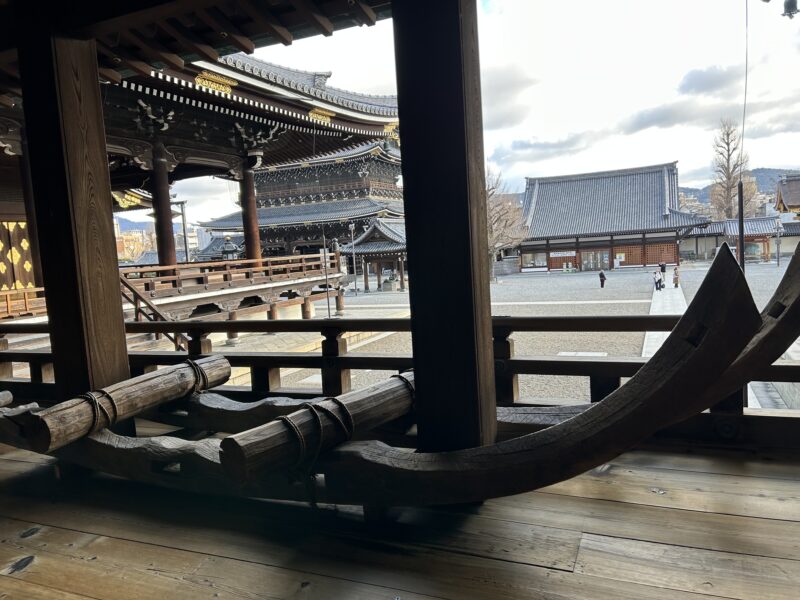
The covered walkway connecting the Amida Hall and the Goeido Hall displays materials illustrating how timber was gathered from across the nation during the reconstruction. Timber was shipped by boat to Osaka from all over Japan, then transported by rail from Osaka to Kyoto. From Kyoto Station to Higashi Honganji, a dedicated track was laid for the reconstruction materials. Also on display is the ‘Ke-zuna’—an exceptionally thick and sturdy rope made by twisting together hemp and hair donated by people of all ages and genders. A total of 53 such ropes were gathered from across the nation.
There are many other points of interest beyond the Amida Hall and the Goeido Hall. The audiovisual hall, with its concrete, temple-like exterior, is located underground. Designed by architect Shin Takamatsu, it reportedly attracts visitors from overseas. Despite being underground, it feels open and airy, as light streams in through a large skylight featuring a crescent moon and sun design.
Although reservations are required and availability is limited, you can enjoy shojin ryori (Buddhist vegetarian cuisine) at the Shiro-shoin, a designated Important Cultural Property which is usually closed to the public.
While these areas are not usually open to visitors, the Noh stage is reportedly used for broadcasting year-end music programmes and live events, and Shiro-shoin, the white hall has also been used for film shoots. The Imperial Palace contains many precious fusuma sliding doors gifted by Emperor Meiji and transported from the Ōmiya Imperial Palace. The edges of the tatami mats were a rare red color, reportedly dyed with natural safflower.
Shoseien Garden is just a few minutes’ walk from Higashi Honganji Temple. Unlike a typical Japanese garden, it began life as a retirement residence for the Higashi Honganji priests, consisting of a garden, residence and hospitality space in the form of a tea room. It is said that the Crown Prince of Russia, Helen Keller visited this place. You could call it Higashi Honganji’s guest house.
I really hope you’ll visit both Higashi Honganji Temple and Shoseien Garden.
Mikko